
Travel News: Nepal Eases Restrictions on Solo Trekking
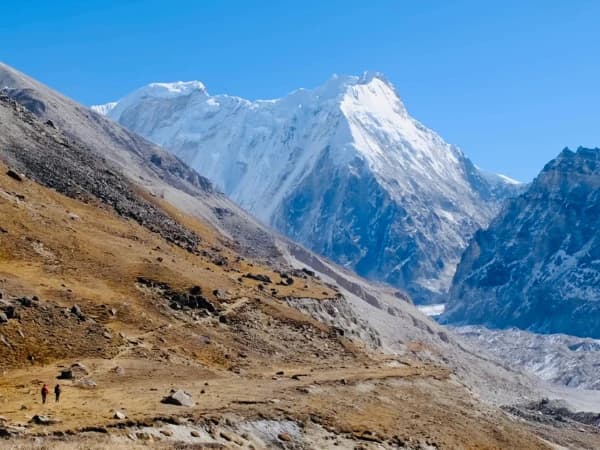
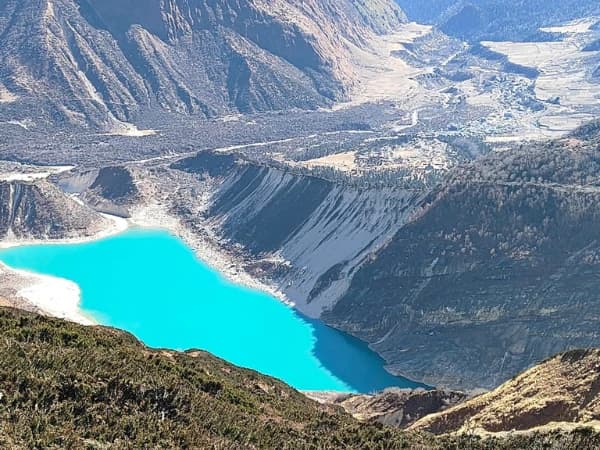
The Department of Nepal Immigration has updated its policies regarding the issuance of trekking permits for restricted areas in the Himalayas. The tourism authority, along with the Nepal Tourism Board, is now permitting individual foreign tourists to acquire permits that were previously only available to groups of two or more travelers. From now on, solo tourists can explore the restricted areas accompanied by a tourist guide. These restricted trekking areas share borders with Nepal, Tibet (China), and India and have been designated as such by Nepal. The restricted trekking regions include the Manaslu area, Tsum Valley trek, Nar Phu Trek,Upper Mustang trek, Upper Dolpo trek, Lower Dolpo trek, Kanchenjunga trek, and other treks throughout Nepal. This decision was made at the department level in March. The TAAN association and other stakeholders have been actively lobbying for this change. Travel agencies and tour operators have consistently followed up on the opening of solo trekking opportunities.
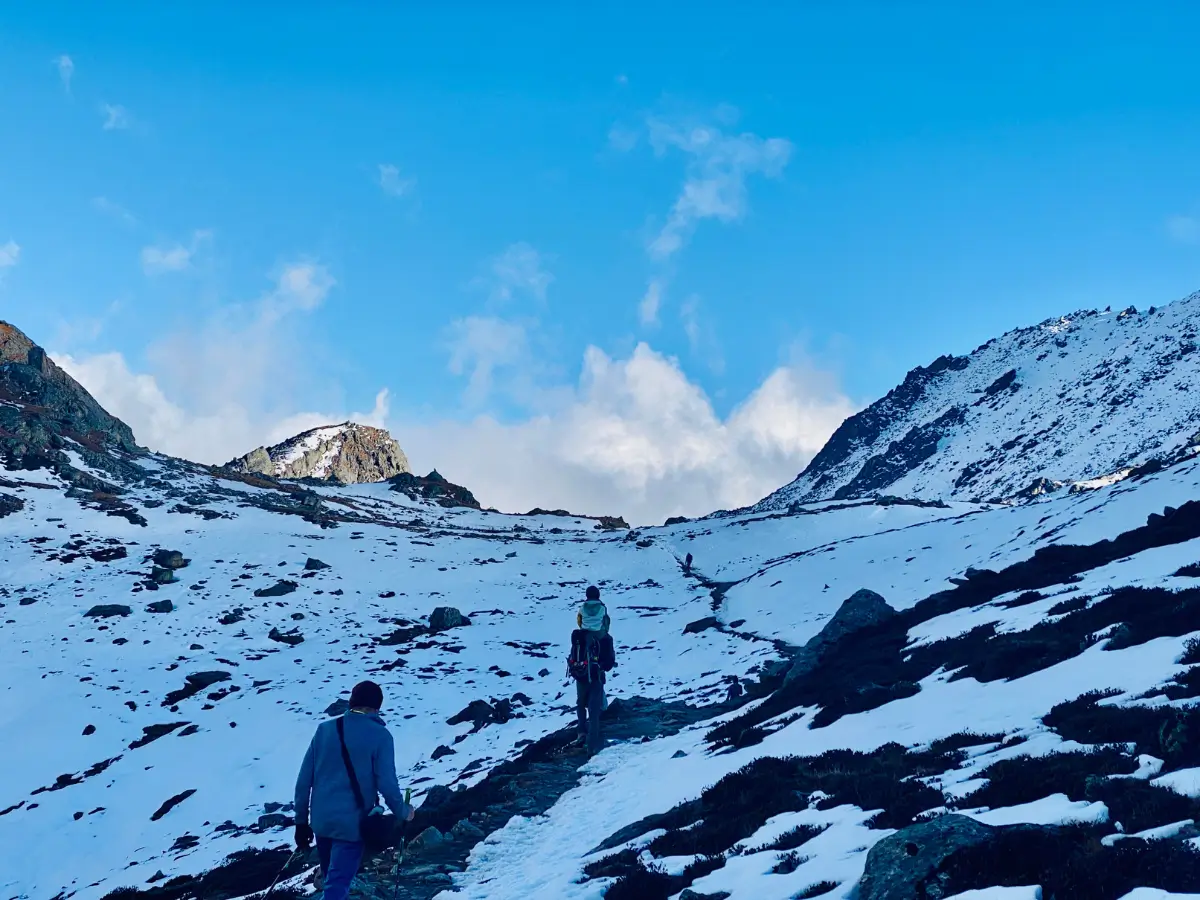
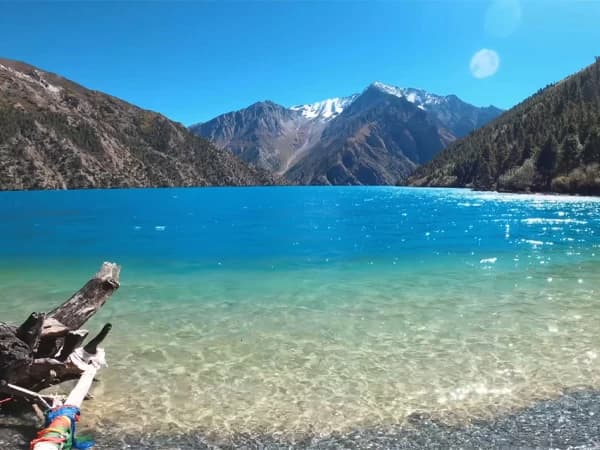
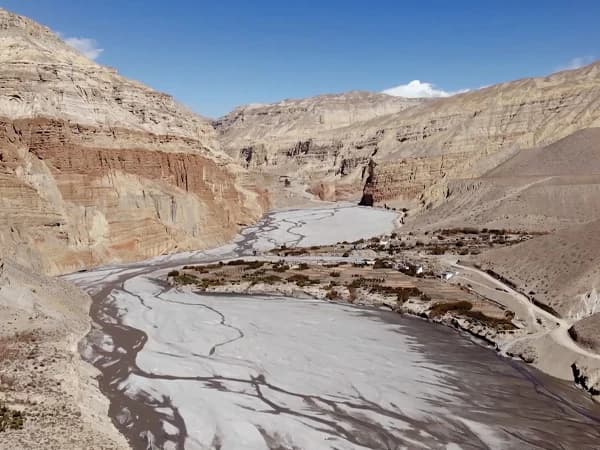
The government of Nepal has officially lifted its long-standing ban on solo trekking in specific Himalayan areas that were previously off-limits. Moving forward, solo travelers can now venture into the high-altitude Himalayas and previously restricted regions. This decision follows years of discussions among tourism stakeholders, trekking agencies, and lawmakers. Many tourists expressed dissatisfaction with the ban on solo trekking in these designated areas. Therefore, allowing solo trekking in restricted regions is expected to boost tourism activities, make it easier for solo travelers, and ultimately support the growth of tourism and its economy. Previously, there was a ban on solo travel in the Upper Mustang, Manaslu, Tsum Valley, Dolpo, and Kanchenjunga trekking regions. Now, enthusiastic trekkers in the Himalayas can embark on solo treks with a licensed mountain guide.
Why Was Solo Trekking Restricted in Nepal
In the past, solo trekking was limited to specific regions of Nepal, such as the Himalayas, which border Tibet and India. The restrictions on solo trekking in the Himalayas were due to the challenges of high-altitude treks, remote locations, and certain political factors. However, the motivations behind the limitations on solo travelers extend beyond just remote areas and political issues. Additionally, there are other important factors to consider, including border sensitivity, safety issues, cultural preservation, and the need for environmental sustainability and protection. Currently, the tourism authority permits solo trekking, provided that travelers adhere to proper guidelines, such as hiring a mountain guide, following safety protocols, and addressing other relevant concerns. The primary reasons for the earlier ban on trekking in restricted areas of Nepal are outlined below.
- Remote area trekking
- Safety and security concern
- Border sensitivity and political interests
- Environmental protection
- Sustainable tourism
- Cultural Preservation
What has Changed in the New Policy?
The immigration department has relaxed regulations for solo trekkers in the restricted regions of the Himalayas, opting for a more flexible approach instead of an outright travel ban. In response to various concerns raised by travelers, tourism stakeholders, and trekking agencies, the Nepal Tourism Authority enacted a law that is favorable to tourism. The association of trekking agencies in Nepal played a crucial role in advocating for this traveler-friendly legislation. As a result, the policy now allows solo travelers to explore the Himalayas without the need to join a group, as detailed below.
- Digital permits issuing system
- Solo trekkers can now apply for a special permit
- Special permits are still required in the designated area of Nepal
- Mandatory entry and exit checkpoints during the trek
- A well-experienced guide is highly recommended for security concerns
Special Trekking Permits Areas in Nepal
- Upper Mustang Trekking
- Manaslu Circuit Trek
- Tsum Valley Trekking
- Nar Phu Village Treks
- Upper Dolpo Trekking
- Lower Dolpo Trekking
- Kanchenjunga region treks
Why Nepal Open the Restricted area Solo Trekking Now?
Nepal is a stunning Himalayan country located in South Asia, known for its rich culture, breathtaking landscapes, UNESCO World Heritage sites, and distinctive tourism experiences. In the past, solo trekkers faced a ban on trekking in restricted areas. However, the Nepal tourism authority has recently lifted this ban, allowing solo trekking in these areas and providing special permits for individual trekkers. To enhance tourism recovery, adapt to emerging travel trends, and compete globally in tourism, the regulations for trekking in restricted areas have been relaxed. Additionally, Nepal has made significant improvements in GPS tracking, mobile phone connectivity, and other digital infrastructure. As a result, to facilitate tourism activities and provide convenience for eager trekkers, Nepal has opened up solo trekking in the restricted regions of the Himalayas.
Is Nepal Safe for Solo Female Traveller?
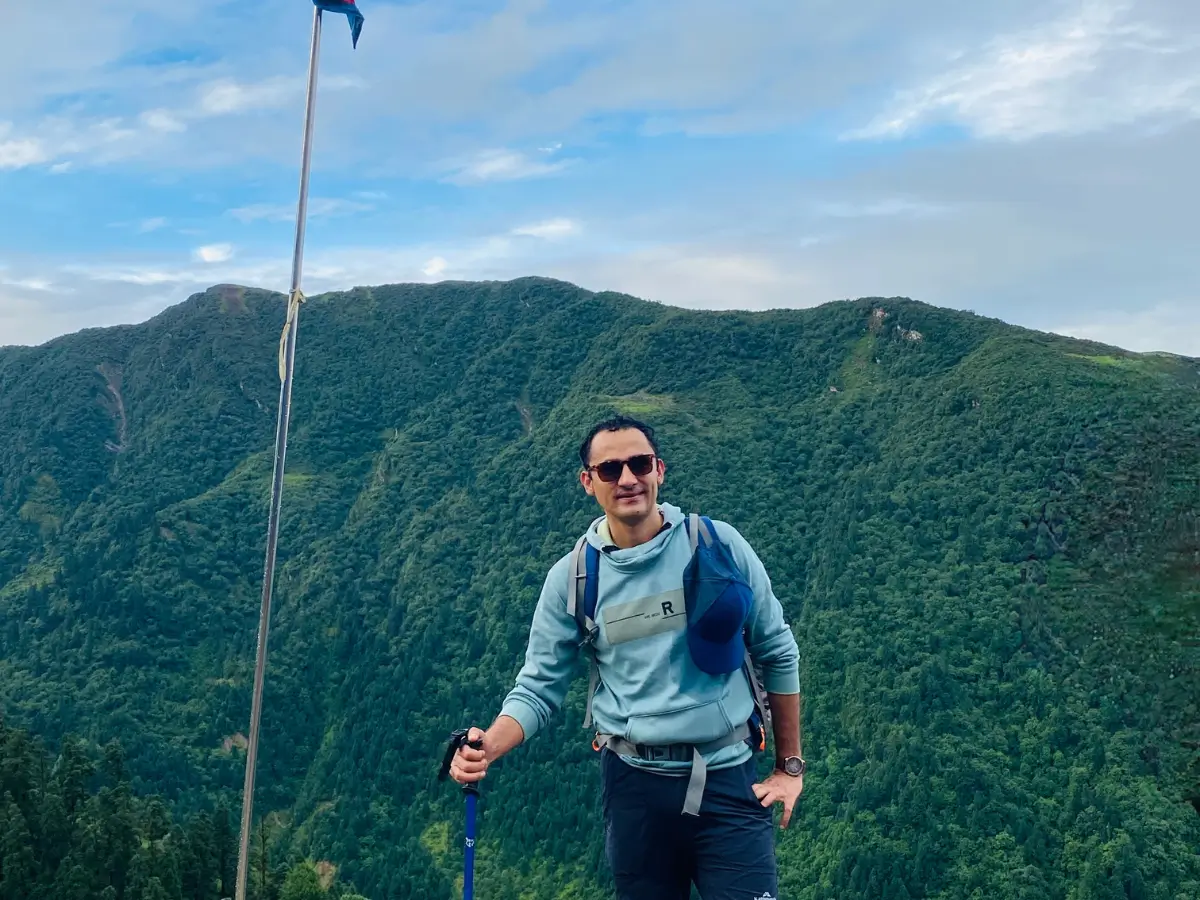
Absolutely, Nepal is entirely safe for solo female travelers as well as for any other visitors; in fact, it's an ideal destination for those who love the Himalayas and nature. The solo hiking, trekking, tours, and expeditions in Nepal are not only safe but also rank among the most affordable travel options. Nepal is a vibrant, multicultural, and secular nation that warmly welcomes all kinds of travelers, regardless of their religious, gender, or ethnic backgrounds. In Nepali culture, guests are revered as divine, and anyone who comes to their home is treated as such. Therefore, tourists in Nepal are treated like gods and receive exceptional hospitality. Additionally, the laws and regulations set by local provinces and the central government are very accommodating to tourists. The safety and security measures for travelers are held to world-class standards. Thus, Nepal is indeed a haven for solo female travelers and stands out as a top vacation spot.
Special Permit Costs for Himalayan Treks in Nepal
Special permits are necessary for trekking in the certain high areas of Himalayas, particularly in restricted areas of Nepal. In the past, solo trekking was prohibited in these restricted zones, but now it has been allowed, provided that safety protocols are followed. Initially, special permits will be valid for either 7 or 10 days, and any extra days will come with an additional fee. Below are the costs associated with special permits for trekking in the Himalayas of Nepal.
- Manaslu restricted area special permits cost USD 100 per week (Sep. to Nov.).
- Manaslu restricted area special permits cost USD 75 per week (Dec. to Aug.).
- Tsum Valley treks: Special permits are USD 40 from September to Nov. and USD 30 from December to Aug. per week.
- The Upper Mustang Trek special permit costs USD 500 for 10 days and an additional 50 per day.
- Upper Dolpo treks' special permit costs USD 50 per day.
- Lower Dolpo treks' special permit costs USD 20 per week and an additional 5 extra days.
- Humla trek special permits cost USD 50 per week and USD 10 for additional days.
- The Kanchenjunga region special permit costs USD 20 for 4 weeks.
Conclusion Nepal Solo Trekking Ban Open
The reopening of the restricted trekking areas for solo trekkers marks a major change in Nepal's tourism sector, particularly in mountain trekking. Nepal is embracing global tourism trends while promoting mountain trekking and Himalayan adventures. Additionally, trekking in Nepal is backed by top-notch safety and security measures. The stunning beauty of the Himalayas in these restricted areas is truly breathtaking. You will have the chance to discover gorgeous Himalayan landscapes, unique cultures influenced by Tibetan traditions, and a diverse range of flora and fauna. However, special permits will still be necessary in addition to the TIMS card, conservation area entry permit, and local area permits. The lifting of the solo trekking ban in the Himalayas is expected to bring significant changes to tourism flow and enhance traveler satisfaction. The tourism industry in Nepal, along with the tourism board and workers, is feeling optimistic about the reopening of solo trekking in this special region.
For adventure seekers and travel enthusiasts in the Himalayas, this presents an exciting chance to explore the magnificent Himalayas. The distinctive cultures, rare flora and fauna, exhilarating landscapes, and spiritual tranquility will offer unforgettable travel experiences. Therefore, the announcement of the lifting of Nepal's solo hiking ban is fantastic news and a wonderful opportunity for trekking agencies, mountain trekkers, and tourism workers alike.
Is Nepal safe for solo travel?
Yes, the beautiful Himalayan country, Nepal, is completely safe for solo travelers, trekkers, and vacationers in Nepal. Nepal has multicultural, diverse ethnicities of people and is a secular country where people will have great respect for each other. So, Nepal is safe for travel, vacation, and Himalayan trekking.
Why Nepal Eases Restrictions on Solo Trekking?
Nepal eases restrictions on solo trekking to promote tourism on a large scale and follow global trends. Moreover, these days Nepal has significantly changed, with mobile connectivity, well-trodden trails, road connections, and other facilities, which make mountain trekking much easier. So that the restricted area trekking is made open for solo travelers by making sure to respect the local cultures, environment, safety, and security, and obey the rules.
Where can I do solo trek in Nepal?
You can do a solo trek in Nepal around the Himalayas, including restricted area treks such as the Manaslu region, Mustang, Dolpo, and the Kanchenjunga region. However, due to trekkers' safety, they must obey the local rules. Trekkers need to take a well-experienced and licensed mountain guide. Previously, solo trekking was restricted in the special areas, but now it has opened for solo trekkers with local guides.
What are the restricted area treks in Nepal?
The restricted area for trekking in Nepal is in the high Himalayas, sharing borders with Nepal, Tibet, and India, which requires a special permit to travel. The restricted areas for trekking in Nepal are below.
- Manaslu Circuit Trek
- Tsum Valley Trek
- Upper Mustang Trekking
- Dolpo Region Treks
- Humla region trek
- Nar Phu Village Trekking
- Kanchenjunga treks
How to choose best Himalayas trekking destination in Nepal?
The best Himalaya trekking destinations in Nepal include many beautiful Himalayan expeditions. Among the many trekking trails in Nepal, according to your physical strength, interests, available time, budget, and other preferences, you can choose low altitude to high-altitude and easy, moderate, or challenging adventures in Nepal. You can check with the best travel agencies like Touch Planet Treks, and they will suggest based on your interests. Enthusiastic travelers to the Himalayas, can check with the travel sites, the internet, and other virtual platforms. Indeed, the best Himalayan trekking destinations in Nepal are the Everest Base Camp treks, the Manaslu Circuit trek, the Annapurna Circuit trek, the Langtang Valley trek, the Kanchenjunga treks, and other wonderful Himalayas in Nepal.