
Buddha Purnima
Buddha Purnima is the most revered and spiritual festival celebrating peace worldwide. Millions of Buddhist peace enthusiasts around the globe observe this festival. Known as the birth anniversary of Lord Buddha, Buddha Purnima is a significant and auspicious day that commemorates the birth, enlightenment, and Mahaparinirvana (death) of Lord Gautama Buddha. This celebration takes place on the full moon in either April or May each year. In Nepal, Buddha Purnima is also referred to as Baisakh Purnima, Buddha's birthday, and Buddha Jayanti. Additionally, this festival is celebrated globally, particularly in Nepal, India, Bhutan, Myanmar, Tibet, Thailand, Singapore, Malaysia, Taiwan, and Japan. A special celebration occurs in Lumbini, Nepal, the birthplace of Lord Buddha.
The Purnima is marked by devotion, simplicity, spiritual tranquility, and reflection on Lord Buddha's teachings. On the occasion of Buddha Purnima 2083 BS, we extend our wishes for peace, happiness, prosperity, and unity among various religions, castes, and believers worldwide. Buddha Purnima embodies profound spiritual peace, brotherhood, love, kindness, and wisdom in life. It conveys a message to the world to uphold peace, happiness, wisdom, fraternity, and humanity within human society.
What is Buddha Purnima
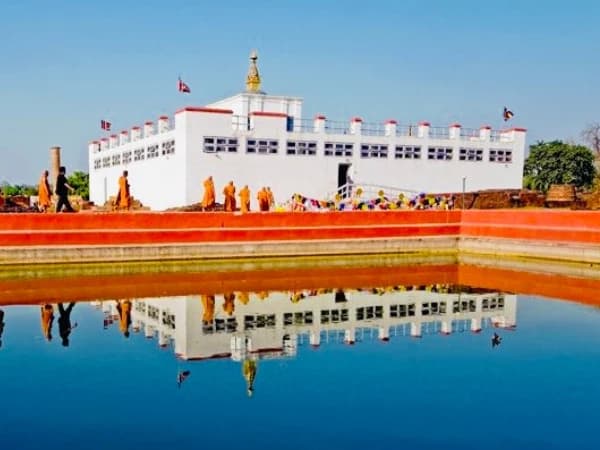
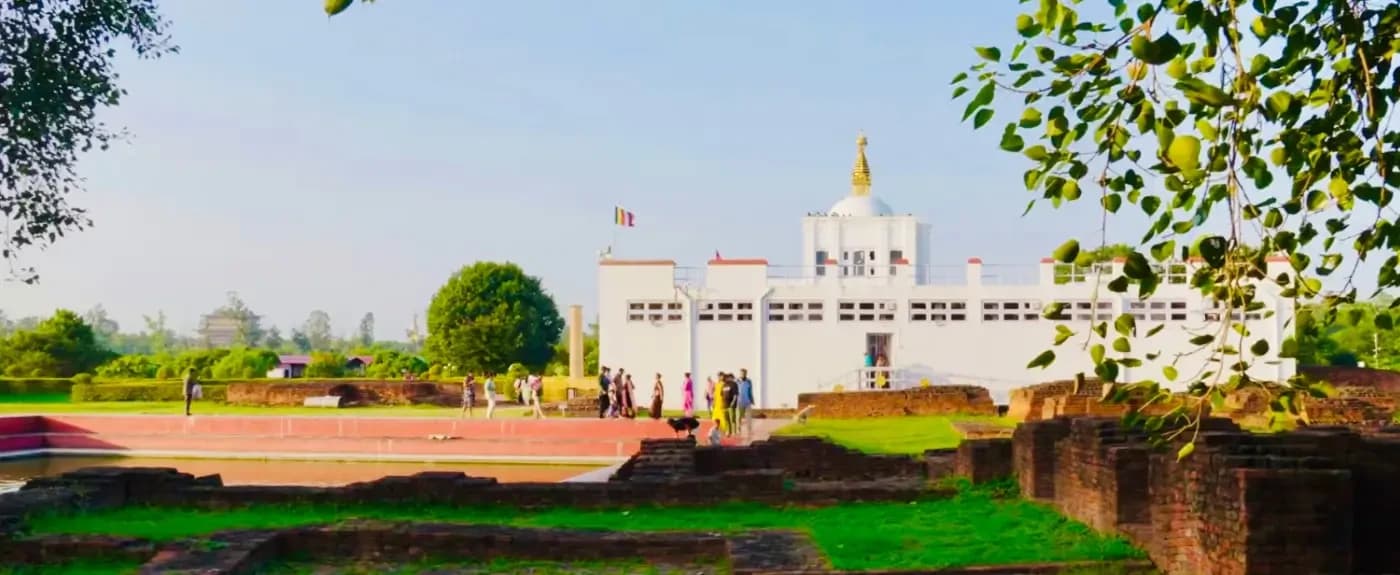
Buddha Purnima is a celebration that honors the life and teachings of Siddharth Gautama Buddha, who later became known as Lord Buddha. Through rigorous meditation and intense penance, Buddha achieved enlightenment and developed the theory of liberation from human suffering, illness, poverty, and aging, among other things. He was born in Lumbini, Nepal, at the Maya Devi Temple around 623 BCE, into the Shakya family within the Kapilvastu kingdom. At the age of 29, he renounced his luxurious and beautiful life, leaving the royal palace to seek understanding of human suffering and the path to liberation from it.
Similarly, Siddhartha Gautama reached enlightenment in Bodh Gaya beneath the Bodhi Tree after enduring severe penance and engaging in profound spiritual meditation. Subsequently, Lord Buddha gained worldwide recognition; people began to embrace his philosophy, teachings, and vision of a joyful life. As a result, Buddha became a symbol of peace and the embodiment of his thoughts and teachings. Therefore, Buddha Purnima is celebrated globally, occurring on the full moon day in the month of Baisakh, which corresponds to April or May in the Gregorian calendar. Indeed, Buddha Purnima marks the birth anniversary of Lord Buddha.
Buddha Purnima Festival Celebration
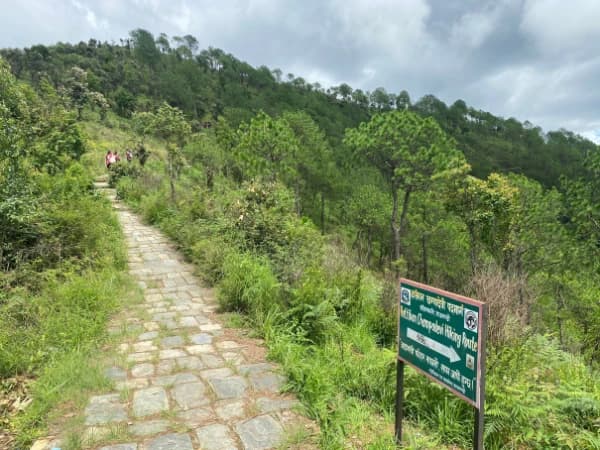
The celebration of Buddha Purnima emphasizes spiritual peace and wisdom over activities like singing, dancing, and other events. Peace-loving individuals and Buddhist followers engage in yoga, meditation, and prayers at Buddhist monasteries, as well as assist those in need. During Buddha Purnima, we can also explore, trek, and visit Lumbini, the birthplace of Lord Buddha. It is commonly believed that initiating wisdom, knowledge, educational programs, and social initiatives during this time is beneficial. Many devotees visit monasteries to pray, light butter lamps, chant sacred texts, and extend warm wishes for a happy Buddha Purnima. Additionally, they express hopes for happiness, wisdom, and prosperity in life among fellow Buddhist believers. People share greetings of Happy Buddha Purnima with friends, family, and relatives, fostering love, peace, and harmony within the community.
Why Buddha Purnima Festival Celebrated?
Buddha Purnima is a special occasion dedicated to honoring Lord Buddha and embracing his philosophy, teachings, and wisdom. Lord Buddha is recognized as a profound philosopher who advocates for peace, harmony, wisdom, and positivity among people worldwide. The festival of Buddha Purnima takes place on Baisakh Purnima (the full moon), which occurs in April or May each year.
- This day marks the birthday of Lord Buddha
- Celebrating his arrival into the world
- It also commemorates Buddha's enlightenment beneath the Sacred Bodhi Tree in Bodh Gaya
- The celebration of Buddha Purnima invites individuals to experience the Nirvana of Buddhism
- It encourages an understanding of the Buddha’s wisdom and the positivity he brings to life
- Buddhism transcends being just a religion; it embodies ideals of peace, wisdom, and harmony
Buddha’s Teachings and Enlightenment
- Believe in happiness, wisdom, and harmony.
- Four Noble Truths of Buddha (Suffer, Cause of Suffer, Suffer Cassian, and Path)
- Eightfold Path of Buddha (Right view, resolve, speech, action, livelihood, effort, mindfulness, concentration)
- Wisdom, meditation, and mindfulness
- Compassion and non-violence
- Parade harmony among all of humanity
Sacred Sites of Buddha Purnima in Nepal
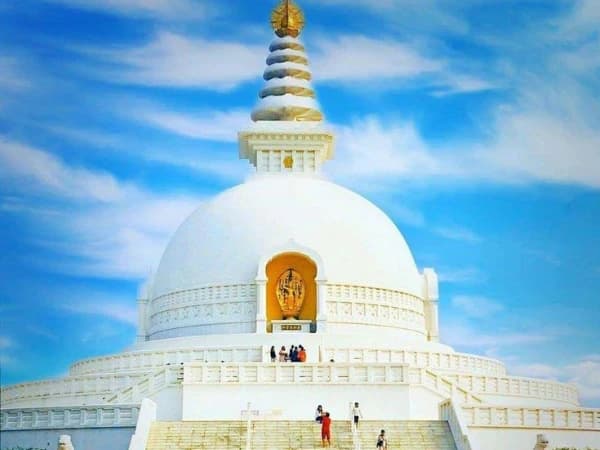
- Lumbini, the birthplace of Buddha
- Tilaurakot in Kapilvastu
- Muktinath Temple in Annapurna
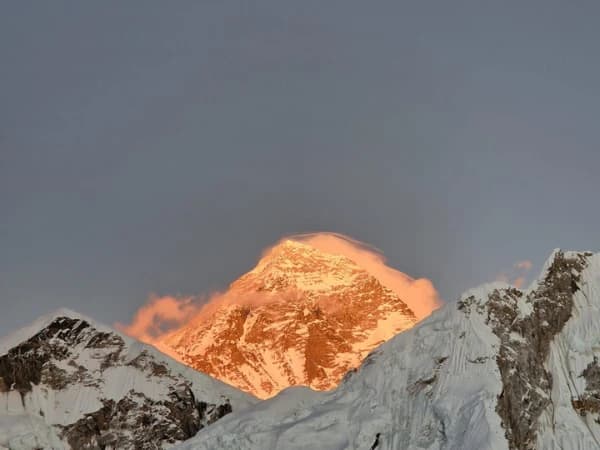
- Tengboche Monastery in Everest
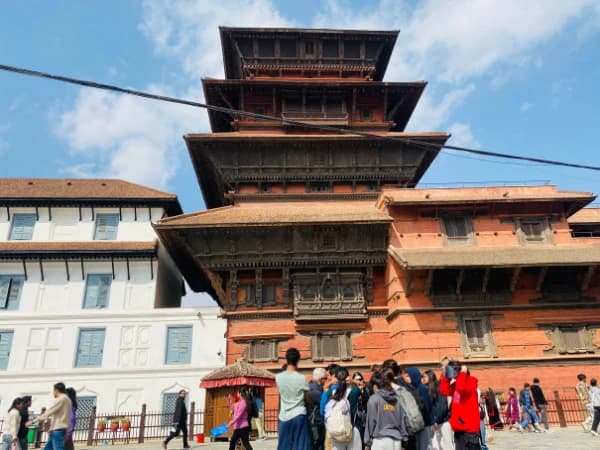
- The Boudhanath Stupa in Kathmandu
- Swayambhunath Stupa, Kathmandu
- Kapan Gompa in Kathmandu
- Namo Buddha in Kavrepalanchok
- Asura Cave in Pharping, Kathmandu
Significance of Buddha and Spiritual Peace
The importance of Buddha in promoting peace and spirituality is vital for maintaining harmony, happiness, and brotherhood within society. Lord Buddha imparts that positivity, profound wisdom, and harmony contribute to a peaceful and beautiful community. Life is indeed beautiful; everyone is entitled to peace, harmony, and respect. What your product symbolizes will help foster peace, wisdom, and harmony in the environment. Nowadays, across the globe, we witness violence, conflict, and tragedy; people are often hurried, taking selfies and prioritizing individualism.
However, Buddha advocates for peace instead of tragedy and violence, joy instead of sadness and haste, and community and friendliness over individualism and selfies. Therefore, in today's world, the relevance of Buddha, his teachings, and spiritual peace is essential for sustaining social harmony.
Conclusion of Buddha Purnima
Buddha Purnima is a wonderful festival celebrated globally by Buddhist followers and those who cherish peace. The festival is particularly special in Lumbini, Tilaurakot, and Bodh Gaya. Lumbini in Nepal is the birthplace of Lord Buddha, who was born in 623 BCE. Buddha's teachings emphasize peace, harmony, happiness, and brotherhood among all people. Life encompasses sorrows and liberation; human existence inevitably includes suffering and its causes, but there is a correct path to achieve liberation and happiness. Therefore, we simply need to adhere to the right path to alleviate suffering in our lives. The four noble truths and the Eightfold Path of Buddha provide invaluable teachings for a fulfilling life. The core themes of Buddhism revolve around peace, harmony, liberation, and positivity.
FAQs of Buddha Purnima
What is Buddha Purnima?
Buddha Purnima is the birth date of Lord Buddha, who was born in Lumbini, Nepal, in 623 BCE. Buddha Purnima is celebrated in Baisakh Purnima, when the full moon comes out. Baisakh Purnima falls in April or May every year.
Why celebrating the Buddha birthday on full moon day?
Buddha was born on a full moon day in the Buddhist calendar of the Baisakh month. So, the Buddha’s birthday is celebrated on the full moon day in the month of Baisakh. Lord Buddha was born in Nepal’s Lumbini Maya Devi Temple.
How can I visit Lumbini? Is it possible to get a tour guide for Lumbini?
During Buddha Purnima, there will be a variety of programs focused on Lord Buddha, his life story, and his teachings. Travelers can visit Nepal in April and connect with the top travel company, Touch Planet Treks, which will provide excellent travel, tour, and trekking packages in Nepal. Touch Planet Treks will ensure you have the best tour guide for Lumbini to celebrate Buddha Purnima. Initially, you will arrive in Kathmandu, followed by either a bus ride or a local flight to Gautam Buddha Airport in Bhairawa. From Bhairawa, you will drive to Lumbini.
The following day, you can explore Lumbini, Tilaurakot, the Maya Devi temple, the Ashoka pillar, and the surrounding areas. You will have the opportunity to discover Lumbini, the birthplace of Buddha, and then drive back to Kathmandu, which will take approximately 8 to 10 hours. Alternatively, you can opt for a 1-hour drive and a 30-minute local flight.