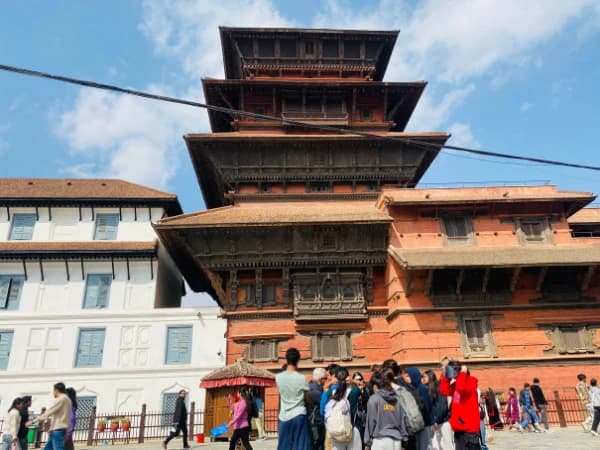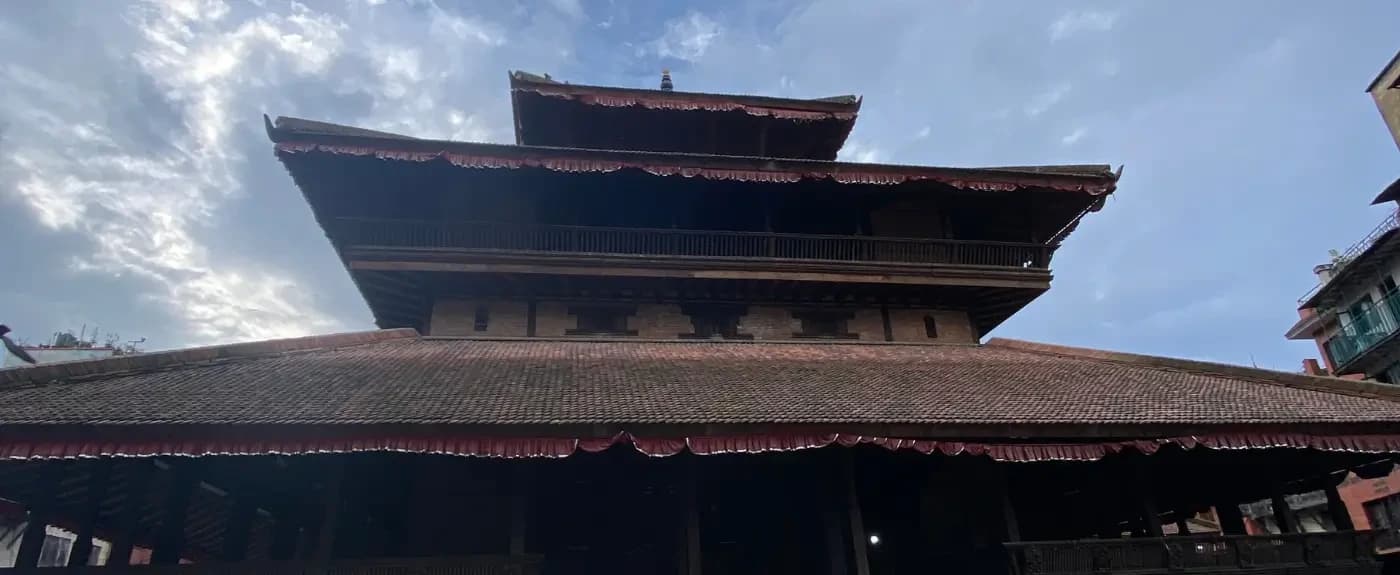

The name ‘Kasthamandap’ itself suggests that the mandap is made of wood. The word ‘Maru’ is a variant of the word 'Mandap '. From that ‘Maru’ word, different places have been named as ‘Maru Sata,' ‘Maru Tole,' ‘Maru Ganesh Maru,' 'Maruhiti,' and 'Marubhai.' Thus, the word ‘Maru’ has a lot of power. After all, from ‘Kasthamandap’ we got our capital as 'Kathmandu.' The history of Kasthamandav is unique and ancient to be explored. The three-story historic wooden public shelter and serene, artistic Durbar in Kathmandu Durbar Square are well-known heritage sites. The Kasthamandav is made of only one tree’s wood and its arts and crafts, the name Kastha Mandav is known in Sanskrit, where "Kastha" means "wood" and "Mandav" means "pavilion." In Newari culture, the Kasthamandav is known as Maru Satta, which means made from wood. This historic Kasthamandav was built in the Lichhavi era around the 4 to 5th century by Yogi Gorakshanath.
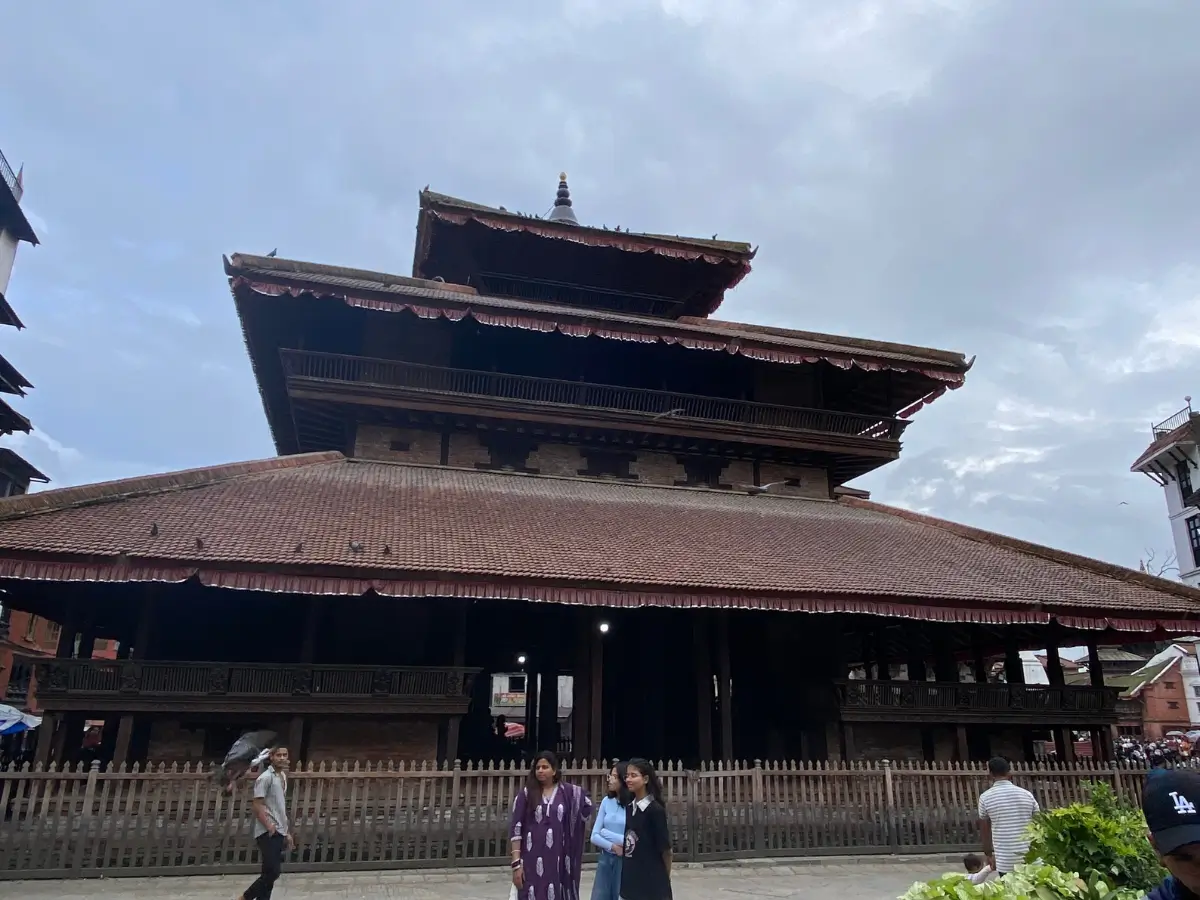
The earthquake of 2072 B.S. is remarkable because, in that devastation, not only did people die, but the ‘Kasthamandap’ also fell down. As of now, the beautiful Kasthamandav is rebuilt as it was before. Visiting Kasthamandav offers you the best historic wooden pavilion, ancient culture, and arts and crafts. Moreover, travellers can explore the ancient world heritage site of Kathmandu Durbar Square, the Hanuman Dhoka museum, and many more historic surroundings.
Overview of Kasthamandap
According to legend, it has been known as 'Kasthamandap' and is made up of a single tree. The tree from which it is built is known as 'Kalpabrikchhya.' The tree was so huge that a single branch was more than a kilometer long. During that time, there was once an organization of ‘Harisiddhi Jatra,' and the ‘Kalpabrikchhya’ came in the form of a person to watch the 'Jatra. ' No one except a ‘Tantrik' recognized him and used his power to control him. Finally, he built a memorial by telling ‘Kalpabrikchhya’ that it should be decorated with ‘Tettiskoti’ deities and to provide wood. After that ‘Kalpabrikchhya’ left one of his seeds. Then ‘Tettiskoti’ deities also resided. The ‘Tantrik’ said the deities never leave this place until the price of salt and oil are equal. From that time till now, the price of those goods is not the same, so they are still residing in the memorial.
After the devastating earthquake of 2072 B.S., its reconstruction was done. During that reconstruction period, there was one examination: has the wood of Kasthamandap been found from a single tree? The examination gave a result that the wood was collected from the trees of Shorea Robusta, Pine, Mango, and Agra.
Rajesh Kumar Sakhya, the then coordinator of the reconstruction committee, said that there is still confusion about whether, in the beginning phase of construction, there was use of different woods or during the reconstruction phase.
From various sources, it has been known that the reconstruction of Kasthamandap was begun during the time of King Laxmi Narsingh Malla (1621 AD-1641 AD). The Kasthamandap has been reconstructed three times.
Surprisingly, the wood contained in Kasthamandap is also a piece of wood from the 5th century (verified by an examination by Durham University). But the type of wood is unknown. According to renowned architect Prof. Dr. Sudarshan Tiwari, the experts are still searching for its type. The wood has the decoration of a lion. It has been reinstalled in the structure in the form of 'Meth.'
Highlights of Kasthamandap Visit
- Explore the ancient, serene wooden pavilion and other beautiful surroundings
- Visitors will experience the ancient arts and crafts, Kama Sutras, and amazing art
- Travellers can explore it for free; it is near Kathmandu Durbar Square
- Immersing yourself in ancient cultures, local myths, traditions, and rituals
- Explore the beautiful pavilion made of a single magical timber tree
- Ancient timber and amazing craftsmanship, with a pagoda-style temple, will make the visit worthwhile
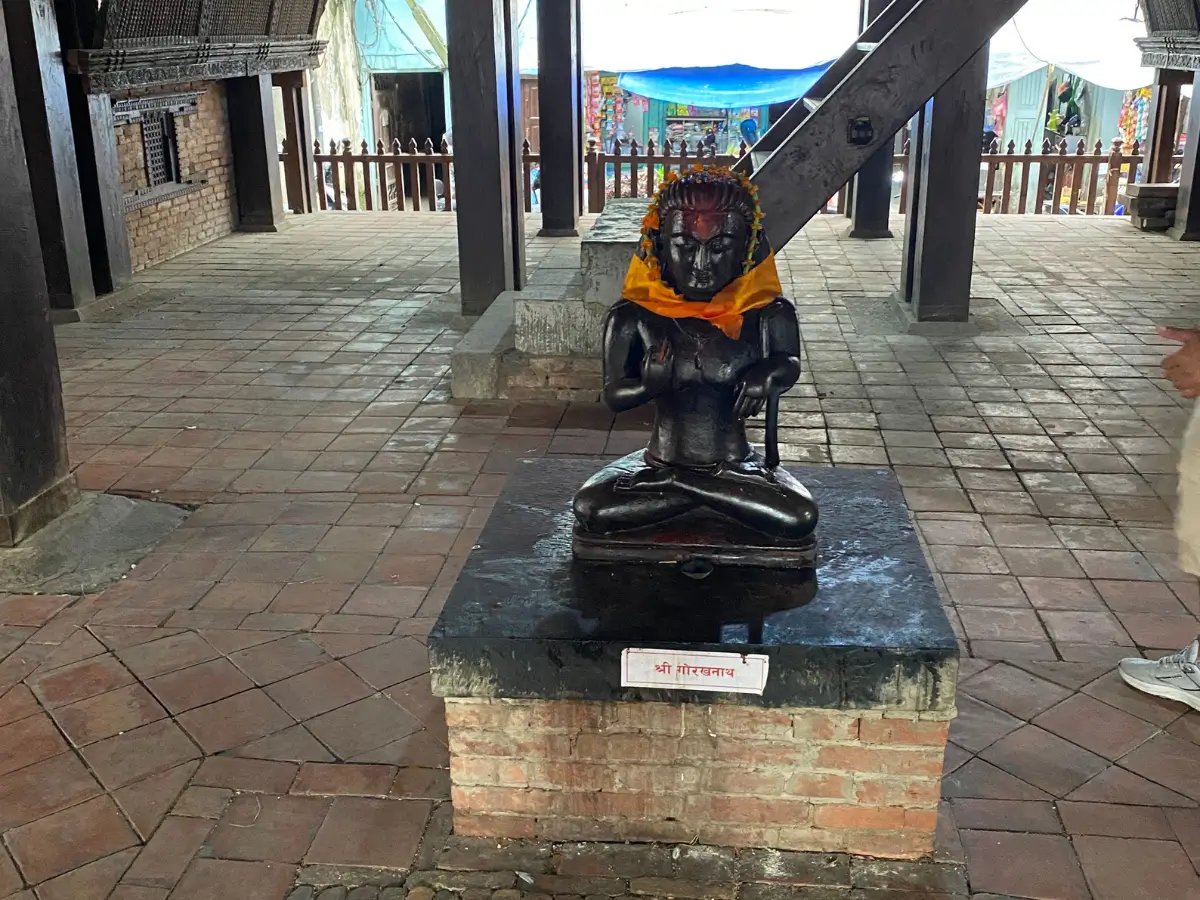
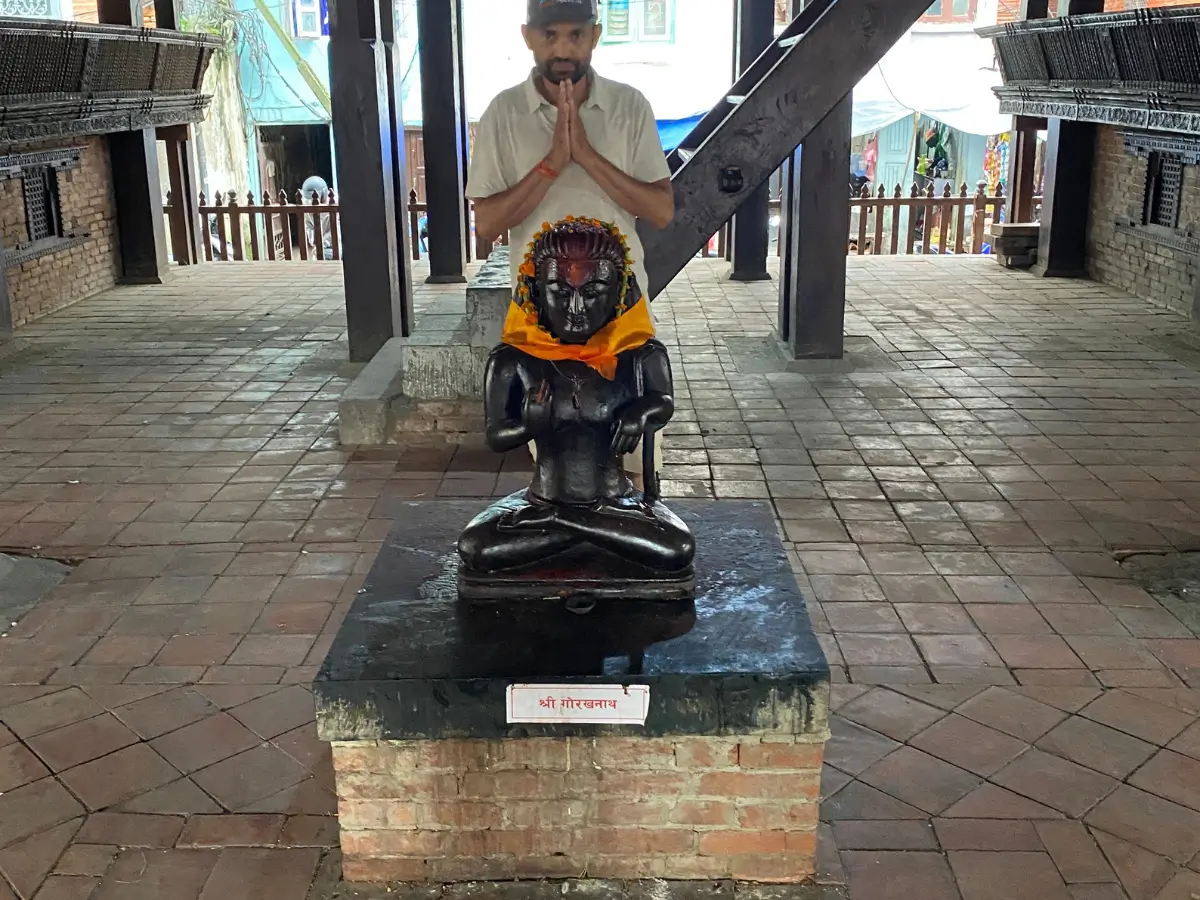
- View the entire statue dedicated to Saint Gorakhnath and experience the peace
- Serene and within walking distance from the major cities like Thamel
- Unlimited pictures in ancient surroundings and 5th centuries made Kasthamandav Pavilion
Interesting Facts of Kasthamandap
Since no other wood in the world has a decoration history in the last 5th century, it may create a history regarding decoration as researched by Durham University. At that time, the person responsible for the reconstruction of Kasthamandap was Shakya. The Kasthamandap contains 90% wood and only 10% bricks, it’s foundation.
In order to rebuild Kasthamandap, it is estimated that it needs 17,508 cubic feet of log. For this, 1800 to 2000 trees need to be cut down. The logs need to be 32 feet high so that there is a problem in cutting. The secretary of the reconstruction council said that at first there was agreement with Timber Corporation to supply wood, but the corporation couldn’t provide it as expected.
The woods needed for the reconstruction of Kasthamandap are basically fulfilled from the jungle of Madhesh province, as the type of wood is not found in Kathmandu. But the forest act of Nepal doesn’t provide permission to cut the woods of the jungle. From the forest ministry, it has been found that in order to trade electricity to India, 400 KV of transmission line needs to be connected so that some trees are being prepared to cut. However, the plan to bring in the 400 KV transmission line is not yet finalized, as the cabinet has not made a decision. The reconstruction committee went to the cabinet in order to pass the decision regarding the wood-cutting matter, and it was successful. From that period, the woods have been cut as needed in the shape and the size.
Similarly, in order to lay down a petroleum pipeline from Raxaul to Amlekhgunj, some woods have been cut down. The trees were also cut down for irrigation purposes on the Mahakali River. Thus, in order to rebuild Kasthamandap, woods of Mahottari, Parsa, Mahakali, and Rauthahat have been used.
The coordinator, Shakhya, is in the state of labyrinth due to the policy of provinces because in order to use the woods of Madhesh Province, permission should be needed from Bagmati Province. He was thankful to former minister Rajendra Mahato as he solved the problem. But still, due to the reconstruction work, he frequently visits Janakpur rather than Bagmati Province's capital, Hetauda. The woods are brought from Janakpur and are refined in a sawmill of Makawanpur and are sent to Kathmandu. The woods are stored in a workshop that has been built in front of Kalvairab near the old District Police Office.
Significance of Kasthamandap
The woods that have been used during the 7th century are stored in one of the ‘Bahal’ near 'Kumari's' home. The actual name of that place is ‘Shri Khanda Tarumul Bihar.' But the name of Bihar is changed after the storage of timber logs. It has been named as ‘Simkhamoo Baha,' where ‘Simkhamoo’ means ‘woods storage.' The leader of Bihar was ‘Tantrik’ Lilabajra Bajracharya. According to culture expert Yagamanpati Bajracharya, the person who built Kashamandap was no other than Lilabajra Bajracharya.
The reconstruction of Kasthamandap was done under the supervision of Kathmandu Metropolitan City and was opened to the public in 2022 A.D. During reconstruction many new woods were used, and the strong old woods were also incorporated. Similarly, the secretary of the council (Dangol) said that unused timber will be shown after making the museum. According to the legends, from the remaining woods of the 7th century, another structure, ‘Silya Sata,' has also been built. Also, from the remaining scrap of wood, ‘Maru Dabu’ (elevated platform) has also been built.
The coordinator, Shakya, who was anxious at that time due to government policy, was planning to present a proposal to the government—to plant 10 times the number of trees for Kasthamandap. Similarly, they must be planted near the Mandala area because, if it requires renovation another century from now, no one should be exhausted regarding the timber. Thus, this plan will help preserve both the cultural site and the environment.
Conclusion of Kasthamandap
The Kasthamandav is one of the ancient and artistic heritage pavilions, located in Kathmandu Durbar Square. Beautifully designed, the Kasthamandav is made of timber from a single unique and holy tree. 90 percent of the pavilion is made of the same single tree’s wood. Travellers visiting the Kasthamandav can explore the ancient surroundings, beautiful arts and crafts, the Kamasutra, and the most popular Kathmandu Durbar Square. While visiting the Kasthamandav, travelers can experience the ancient artworks, pagoda-style temples, Newari architecture, a single tree’s timber house, the statue of Goraknath, and the beautiful surroundings of Kathmandu Durbar Square.
Moreover, while visiting the Kathmandu Durbar Square and Kasthamandav Palace, you will have peace and calm vibes. Travellers can also view the Kasthamandav pavilion from outside with a free entry fee, yet entering inside the palace will have an Rs 1000 entry fee. Hence, the Kasthamandav Palace is one of the best visiting heritage sites in Kathmandu. While visiting Kathmandu Durbar Square, travelers can enjoy exploring the Kasthamandav Pavilion.
FAQs of Kasthamandap Heritage Site in Kathmandu
Where is the Kasthamandap temple located?
Kasthamandap temple is located in the centre of Kathmandu, beside the Kathmandu Durbar Square. It's a 15-minute walk from Thamel, 5 minutes from New Road, 12 minutes from Kingsway, and a 30-minute drive from Tribhuvan Airport, Kathmandu. Indeed, the Kasthamandav temple is located northwest of Kathmandu Durbar Square, Kathmandu District, Bagmati Province, Nepal.
What is the significance of Kasthamandap?
Kathmandu is the ancient Tibet, Nepal, and India Trade hub. The Kathmandu Durbar Square and Kasthamandap are the main hubs of the ancient trade markets. Moreover, the beautiful arts and crafts, unique timber house, historic architecture, and beautiful pagoda-style temple make the Kasthamandap temple one of the most visited destinations in Kathmandu. Furthermore, besides the most popular Kathmandu Durbar Square, with its beautiful surroundings, the uniqueness of a single tree made the most charming pavilion. Hence, the Kasthamandap temple is significantly worth visiting.
What are the 7 UNESCO world heritage sites in Kathmandu
The seven UNESCO World Heritage Sites are in Kathmandu, Lalitpur, and Bhaktapur in the Kathmandu Valley. Bhaktapur Durbar Square, Changunarayan Temple, Patan Durbar Square, Kathmandu Durbar Square, Swayambhu Nath Stupa, Boudha Nata Stupa, and Pashupatinath Temple are the UNESCO World Heritage Sites in Kathmandu.
Who built Kasthamandap Temple?
The Kasthamandap temple was first built in the 450th century in the Lichhavi period, and in 1143 CE it was renovated by the Shakya regime. In the 17th century, rebuilt by King Laxmi Narsingh Malla. Furthermore, in 2015, the temple was quickly destroyed and again rebuilt by the Nepal government. Hence, the history of the Kasthamandav temple began in the 5th century.
Is Kasthamandap UNESCO world heritage site?
The Kasthamandav is a part of the UNESCO World Heritage Site of Kathmandu Durbar Square. However, the Kasthamandav temple is not listed individually on the UNESCO site, yet it is part of the Kathmandu Durbar Square, which is a UNESCO World Heritage Site in Kathmandu.
What are the most popular things during Kasthamandap temple visit?
The most popular things at the Kasthamandap visit are amazing arts and crafts, ancient heritage, Newari architecture, statues of Gorak Nath, and wonderful, peaceful surroundings. Furthermore, the Kasthamandap temple is a single-tree timber temple, with 90 percent of its structure made of beautiful, holy timber wood.
Can I visit the Kasthamandav and Kathmandu Durbar square with same Ticket?
Yes, the Kasthamandap is a part of the Kathmandu Durbar Square. While you are travelling to the Durbar Square, you can also visit the Kasthamandap temple with the same ticket. However, travellers can also explore the Kasthamandap temple from its outer edge without a ticket.
When to visit Kasthamandap temple?
Enthusiastic travellers can visit the Ksathamandav temple during the day, from about 7 am to 7 pm. In the morning time it will be peaceful and less crowded; also, in the evening time, visiting the Kasthamandap will be uniquely different, and you will have beautiful peace and joyful vibes. Travelling to Kathmandu and the Himalayan region is perfect in spring and autumn, yet the Kathmandu Valley and city tour can be done in all seasons.
Is Kasthamandap Visit worth?
Yes, the Kasthamandap visit is perfectly worth it, and it’s wonderful to explore the amazing ancient arts and crafts and its surroundings. During the Kasthamandap visit, you can also visit Kathmandu Durbar Square, which is a beautiful UNESCO heritage site. Travellers can experience the living god Kumari, Kaal Bhairav, Hanuman Dhoka Palace, Kumari Ghar, Taleju Temple, the museum, and other heritage sites. Hence, the Kasthamandap visit is wonderful, and it is perfectly worth visiting.