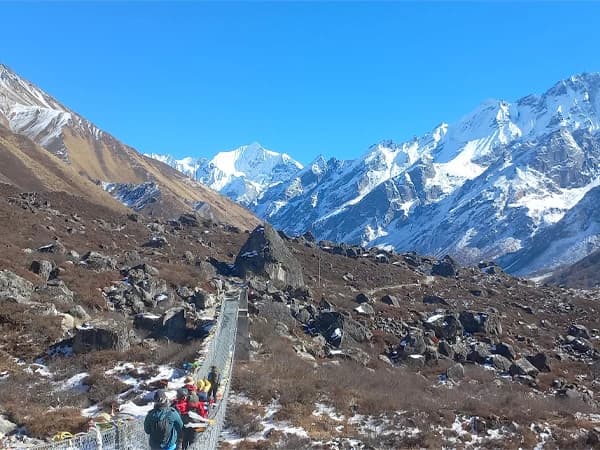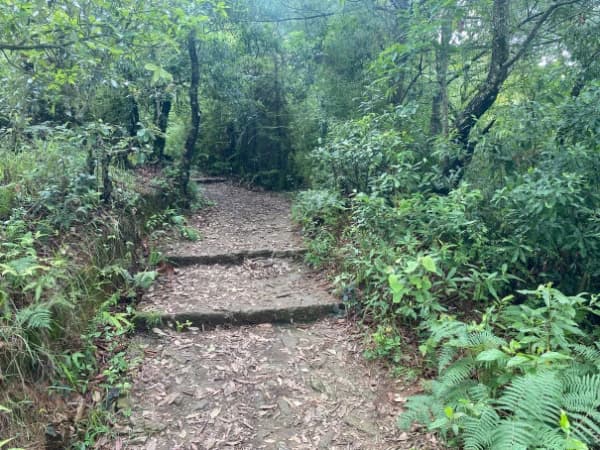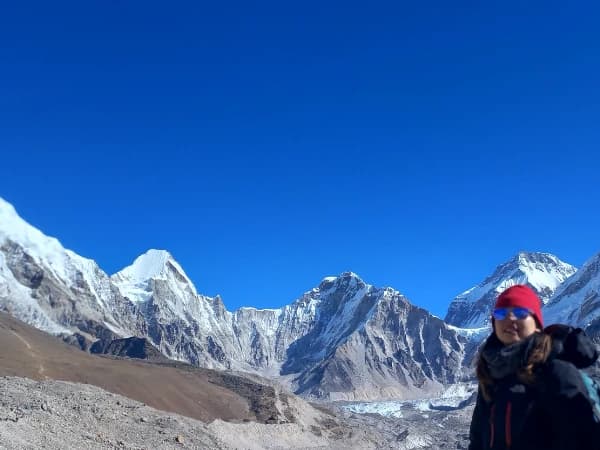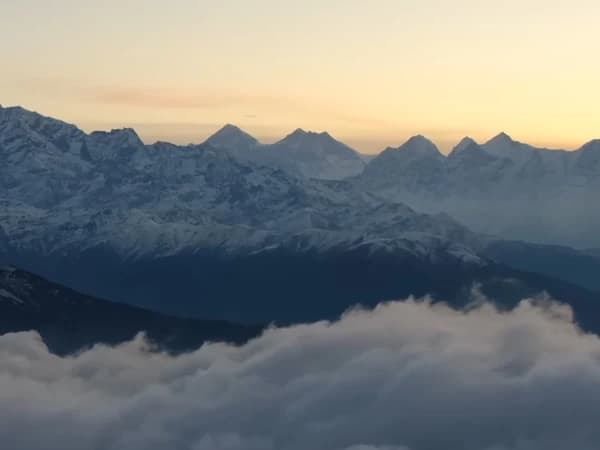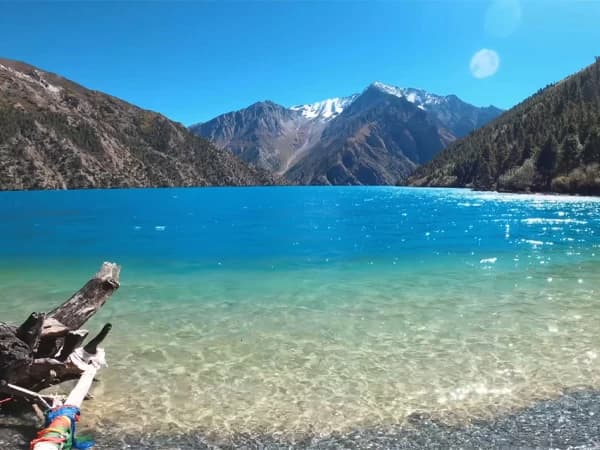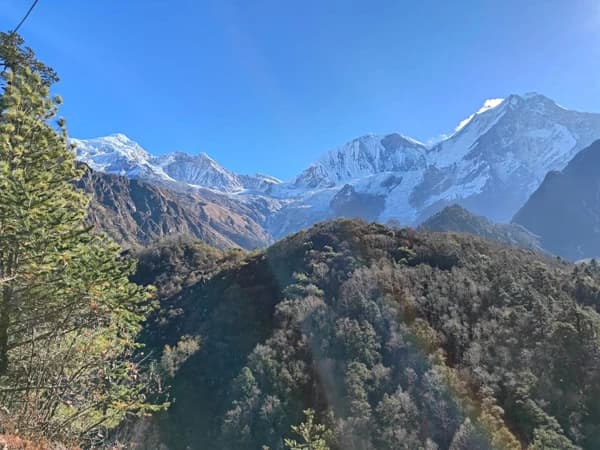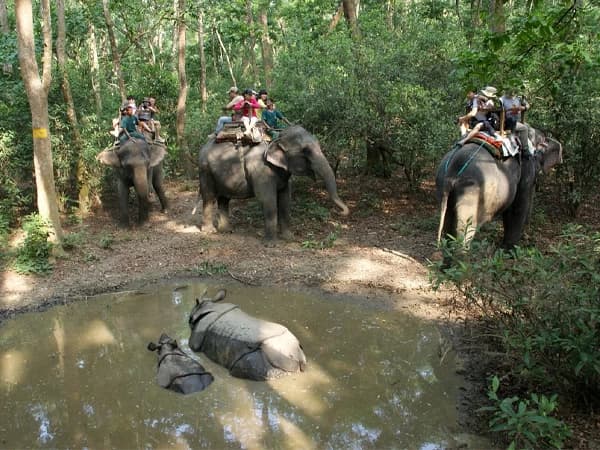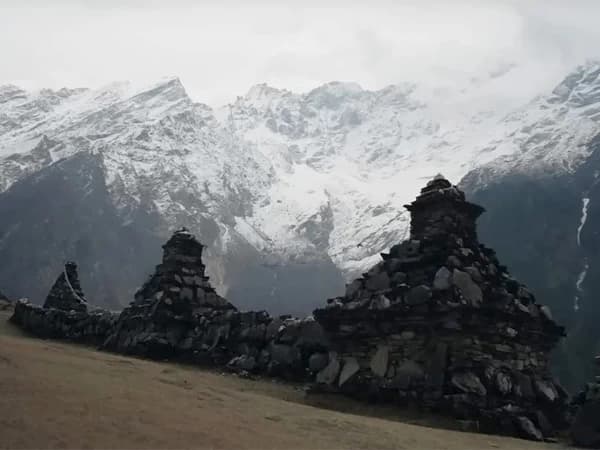

Nepal is a beautiful Himalayan nation, renowned for its diverse flora and fauna. The country boasts a wide variety of plant species, including medicinal and herbal plants found in the Himalayan region. Travelers will have the opportunity to discover numerous medicinal plants during their treks in Nepal, surrounded by a significant number of rare herbal species in the Himalayas. With over 11,000 species of vegetation, Nepal's biodiversity is remarkable given its land area. According to land coverage, Nepal ranks 5th globally in terms of tropical vegetation richness. Furthermore, Asian countries host the world's most diverse array of natural tropical vegetation. In the global ranking of tropical vegetation species based on land coverage, Nepal holds the 5th position, while it ranks 31st overall and 10th in Asia. Brazil is recognized as the country with the richest tropical vegetation, followed by China in second place and Colombia in third. With more than 11,000 species of tropical plants, Nepal is the 5th largest in terms of species diversity relative to land coverage. Consequently, the medicinal plants found in the Himalayas of Nepal are abundant, featuring many rare herbal varieties. During trekking in Nepal, one can explore endangered and rare medicinal plants native to the Himalayas.
10 Rare Medicinal Plants of Nepal
The medicinal flora in Nepal's trekking regions includes a variety of herbal plants found across different areas. Particularly in the alpine zones, one can discover numerous species of medicinal plants. The rare medicinal plants of Nepal thrive in the high Himalayas as well as in tropical and subtropical forests. The medicinal plants located in the hilly regions of Nepal are both rare and highly beneficial. Below is a list of the 10 most notable rare medicinal plants found in Nepal.
- Panch Aunle / Dactylorhiza Hatagirea
- Yarsagumba / Ophiocordyceps sinensis
- Kutki / Neopicrorhiza scrophulariiflora
- Sarpagandha / Rauvolfia serpentina
- Jatamansi / Nardostachys grandifl
- Sarpagandha / Rauvolfia serpentina
- Talispatra / Abies spectabilis
- Himalayan Blue Poppy
- Satuwa / Paris Polyphylla
- Bikh / Aconite Aconitum spicatum
Tropical Vegetation in Nepal
Nepal is a small Himalayan nation situated in South Asia, often referred to as the roof of the world. The tallest mountain on the planet, Mt. Everest, is located in Nepal; hence, this stunning Himalayan nation is recognized as the roof of the world. Despite its limited land area, the picturesque country of Nepal boasts a diverse array of tropical vegetation. From the Tarai region to the Himalayan region and from the mountains to the high-altitude areas, one can discover rare and valuable medicinal herbs in Nepal. Travelers embarking on treks in the Himalayas can encounter dense forests, lush greenery, tropical forests, and alpine forests. Various species of trees, plants, and vegetation, including medicinal plants, can be found, particularly in the high altitudes of the Himalayas. Rare medicinal plants such as Yarsagumba and many others can be explored.
Medicinal plants in Nepal treks include trees like Sal, Acacia catechu (Khayar), Saisoo, Bombax Ceiba, and numerous others. The aromatic medicinal plants found in Nepal are beneficial for use in various drugs and medicines, as well as for producing high-quality perfumes. Further exploration of Ayurvedic medicinal plants in Nepal is warranted, as they require additional research. According to land coverage, Nepal ranks among the top five countries globally in terms of tropical vegetation. Brazil holds the first position, while China ranks second in the diversity of tropical species on Earth.
Discover Medicinal Flora While Trekking in Nepal
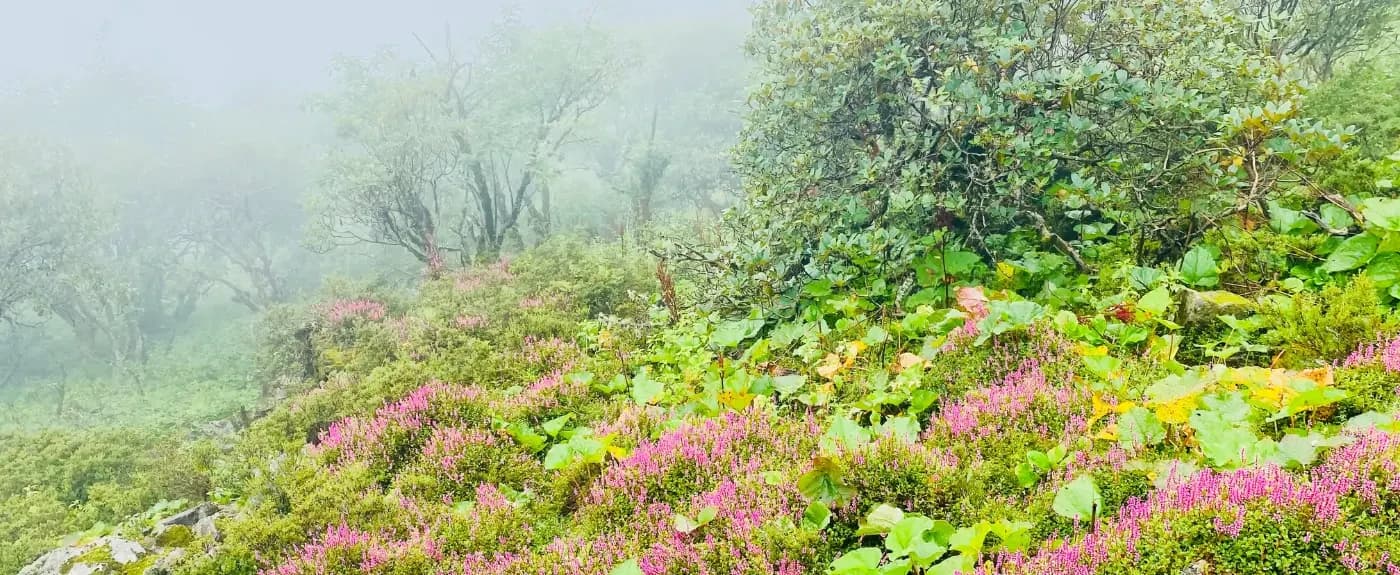
Engaging with medicinal flora during treks in Nepal encompasses unique alpine plants, stunning blossoms, moss, lichen, and Himalayan green scum. These alpine mosses and lichens possess medicinal properties and are beneficial for the healthcare sector. The practice of herbal medicine, particularly Ayurveda, along with traditional local health treatments, utilizes the Himalayan alpine flora. There exists a variety of medicinal plants to explore during treks in Nepal, some of which require further research to understand their benefits. Numerous plant species encountered while trekking in Nepal remain unidentified. The significance of medicinal plants and their applications is vital for medicine, fragrances, and various furniture designs. Below are some examples of medicinal plants that can be discovered during trekking in Nepal.
- Kutki: Known scientifically as Neopicrorhiza scrophulariiflora, Kutki is found in alpine and subalpine areas. It can be located in the Everest region, Kanchenjunga region, and Manaslu region, typically at elevations between 3,500 and 5,000 meters. These bitter rhizomes serve as remedies for liver issues, fevers, and digestive problems.
- Chiraito: The rare medicinal plant Chiraito, scientifically referred to as Swertia, is utilized for treating chronic fevers and malaria. It is commonly found in mid-temperature zones such as the Everest and Annapurna regions.
- Yarsagumba: Often referred to as the Himalayan treasure, Yarsagumba, or caterpillar fungus, is typically found at altitudes of 3,500 meters or higher in the Himalayas. It can be explored in regions such as Manang, Annapurna, Mustang, Amanous, Dolpo, and other Himalayan areas. Yarsagumba is celebrated as a potent tonic for vitality and is particularly beneficial for enhancing immune strength.
- Jatamansi: Another significant plant from the Himalayas of Nepal, Jatamansi, also known as Nardostachys grandiflora, is recognized for its aromatic properties. This plant thrives at altitudes ranging from 3,000 to 5,000 meters. It is utilized for holy incense and in conventional treatments. Moreover, the plants may also be employed for fragrances and blood-related ailments.
Top Nepalese Medicinal Plants to Cultivate in Your Home Garden
- Tulsi/Holy Basil
- Aloe Vera
- Mint (Spearmint or Peppermint)
- Rosemary
- Acorus calamus
- Justicia Adhatoda
- Lemongrass
- Acorus calamus / Sweet Flag
- Azadirachta Indica
- Wintergreen, also known as Gaultheria procumbens
Nepal's Flora: A Natural Treasure of Herbal Medicine
Nepal is renowned for its Himalayan trekking, high-altitude adventures, and scenic trails. Additionally, it is celebrated for its abundant natural pharmacy and Ayurvada treatments along the hiking routes of the Himalayas. While trekking in Nepal, you will traverse through lush forests, alpine meadows, deep gorges, and secluded villages brimming with Nepal's medicinal plants. Adventurers can delve into Ayurvedic herbal medicine and traditional healing methods during their treks in Nepal. You will journey from tropical jungles to high alpine vegetation zones; the flora of Nepal presents a living museum of medicinal herbs. The unique varieties of Himalayan plants, flowers, trees, moss, and much more await discovery during your trekking experience in Nepal. In essence, there are three primary types of vegetation found in Nepal, each corresponding to its distinct regions.
- Tropical medicinal plants
- Medicinal plants in the hilly region
- Alpine vegetation in the high-altitude Himalayas.
10 Top Medicinal and Herbal Plants in Nepal
Exploring the medicinal flora of the Himalayas is truly one of the most rewarding experiences during a research tour in Nepal. Along the famous trekking routes, including the Manaslu Circuit Trek, Annapurna Circuit Trek, Everest Base Camp Trek, and Langtang Valley treks, you can discover a variety of medicinal and herbal plants found in Nepal. The less-traveled trekking paths, such as the Kanchenjunga trek, Ganesh Himal trek, and Dolpo trek, provide some of the best untouched trekking experiences along with a rich diversity of flora and fauna in Nepal. Below are the 10 top medicinal and herbal plants to explore while trekking in Nepal.
- Yarsagumba
- Jatamansi
- Kutkic
- Timmur (Zanthoxylum Armatum)
- Chiraito
- Bhojo
- Panchaule
- Tulsi/ Basil
- Gurjo
- Surandhawal
Herbal Medicine and Natural Healing Practices in Nepal
Nepal boasts a rich cultural heritage and tradition in Ayurveda, with Baidhya being the term for a traditional doctor. For centuries, Ayurveda and Baidhya practices have been utilized to treat various ailments. This Himalayan nation is home to a wide array of herbal plants and local medicinal flora. The traditional and spiritual healing system known as Amchi in Tibetan culture, along with Shamanism or Dhami-Jhakri in Nepali traditions, plays a significant role in healing practices. Essentially, Ayurveda is a holistic approach to medicine that emphasizes the balance of body, mind, spirit, and lifestyle. Both Ayurveda and natural healing systems are rooted in belief systems; they are also associated with spiritual life, yoga, and meditation. Moreover, while trekking in Nepal, you can engage in exploring medicinal plants, practicing natural healing methods, embracing spiritual beliefs, and enjoying yoga treks and meditation amidst the Himalayas. Herbal medicine and natural healing practices heavily depend on self-belief, spiritual practices, tranquil environments, and disciplined lifestyles.
Wild Mushroom Exploration and Research in Nepal
Nepal is a stunning Himalayan nation that presents a wealth of diversity, landscapes, wildlife, and various forms of natural vegetation. Research travelers have the opportunity to discover different species of wild mushrooms and fungi. Recent research indicates that Nepal is home to over 1291 species of wild mushrooms. Among these, there are 159 species that are edible, 74 species that have medicinal properties, and several others that require further study. In Nepal, 108 species can be foraged during the rainy season. These 108 mushroom species are vital for local farmers as a source of nutrition. For those interested in wild mushroom exploration and research, it is recommended to visit during the rainy season. From June to August, or until mid-September, you can embark on a wild mushroom exploration in Nepal. In the mid-altitude regions of the Himalayas, you will find mountains, valleys, and dense forests teeming with various wild mushrooms. Many of the fungi are good for medicinal use and are high in nutrition.
Rhododendron Flower Exploration in Nepal
The Rhododendron flower, known as Lali Gurans in Nepali culture, is the national flower of Nepal. This stunning flower can be found thriving at altitudes ranging from 1200 to 4000 meters throughout the mountainous regions of Nepal. From March to May, during its blooming season, the rhododendron showcases its breathtaking beauty across the entire mountain range. The vibrant red, pink, white, and purple hues of the rhododendron flowers transform the surrounding mountains into a true paradise on earth. If you're looking to experience the beauty of these flowers, a mountain trek in Nepal is a perfect opportunity. The rhododendron flower is not only visually stunning but also has practical uses, as it can be used in medicine and high-end perfumes and is even edible. Nepal is home to 33 species of rhododendron flowers found in its hilly regions. Travelers can discover the most beautiful rhododendron flowers in the Tinjure, Kanchenjunga, and Everest regions of eastern Nepal. The Ghorepani Poon Hill and Annapurna regions are particularly accessible and are considered the best spots to admire these lovely flowers. Additionally, you can find rhododendron flowers in the Langtang region, Makalu Barun, Dhorpatan, Pikey Peak treks, and various other locations.
Conclusion of Medicinal Plants in Nepal Treks
In the Himalayas of Nepal, you can explore a variety of species of medicinal plants, including herbal, floral, and woody types, while trekking through the mountains. Nepal boasts around 11,000 species of vegetation, with a significant number of medicinal herbs available for exploration. The flora of Nepal includes not only the beautiful rhododendron flowers but also a wide array of other flowers and their species. While trekking in Nepal, you can discover Indian medicinal plants as well as rare and valuable Nepalese medicinal plants like Yarsagumba, Chiraito, and others. Leading travel companies in the Himalayas, such as Touch Planet Treks, provide excellent mountain and Himalayan trekking experiences. Apart from medicinal plants in Nepal treks, you will be exploring wild mushrooms, fungi, beautiful flowers, wildlife, and amazing landscapes. The yoga trek, meditation trips in the Himalayas, study research trip, exploration peak climbing, mountain adventure trips, and unique culture and traditions make Nepal the best travel destination in the world. Especially for those nature lovers, the medicinal plants in the Himalayas for hiking and nature exploration will give you the best joy in life.
FAQs of Medicinal Plants in Nepal Treks
What alpine vegetation species can be found in Nepal?
While trekking in Nepal, you will encounter rhododendron flowers, juniper scrubs, edelweiss, gentians, Saxifraga, primula, and many more. Additionally, you will discover rare medicinal plants such as Yarsagumba, Chiriti, Panchaule, Jatamasi, and others. The top trekking spots to experience alpine vegetation include the Manaslu Circuit Trek, the Annapurna Circuit, the Everest region, Ganesh Himal, the Langtang region, and the Kanchenjunga trek.
What are the best tropical medicinal plants available in Nepal?
Nepal is home to a diverse range of tropical medicinal plants that you can find while trekking and traveling through the Himalayas. You will come across medicinal plants, wood used for perfumes, and stunning flowers. Below is a list of the best tropical medicinal plants found in Nepal:
- Yarsagumba
- Neem tree/Azadirachta indica
- Harro/Terminalia chebula
- Sarpagandha/Rauvolfia serpentina/Snake roots
- Tulsi / Ocimum tenuiflorum
- Ashwagandha / Withania somnifera
- Kurilo/Asparagus racemosus
- Aloe Vera (Aloe barbadensis miller)
What are the top herbs to grow indoors?
- Basil: Prefers bright light, warmth, and steady moisture.
- Mint: Grows well in pots, has a lovely fragrance, and you can harvest leaves for organic tea.
- Rosemary: Great for adding greenery, can be incorporated into daily meals, and is easy to cultivate.
- Thyme: Attractive appearance, related to the mint family of aromatic and perennial herbs.
- Parsley: Flourishes in partial shade or bright areas with consistent moisture.
- Lemongrass: A rapidly growing green plant that thrives in sunny spots.
- Chives: Hardy, low-maintenance, and ideal for windowsills, doors, and dining areas.
Can mad honey hunting be practiced in Nepal?
Yes, mad honey hunting is permitted in Nepal, and you can engage in wild honey hunting in the Himalayan region. While trekking in Nepal and discovering medicinal plants, you can also partake in wild honey hunting.
What is the most potent psychoactive plant found in Nepal?
The most potent psychoactive plant in Nepal is Yarsagumba, known for boosting energy and enhancing the immune system. However, wild honey hunting is not a plant but is considered the most potent psychoactive experience in the Himalayas: mad honey hunting in Nepal.
How many types of vegetation exist in the Himalayan nation of Nepal?
Nepal boasts 11,000 species of vegetation throughout the Tarai, hilly, and high Himalayan regions. In fact, based on land coverage, Nepal ranks as the fifth richest country in the world for biodiversity and plant species, with Brazil in first place and China in second.
Is Nepal a worthwhile destination for environmental and botanical research tours?
Absolutely, Nepal is incredibly rich in biodiversity, featuring a wide range of vegetation, including rare medicinal plants and trees. During your travels in the Himalayas, you can encounter a significant variety of alpine and tropical vegetation. Therefore, a tour of Nepal and trekking in the Himalayas will provide excellent opportunities for exploring the region's flora and fauna, as well as experiencing the unique local culture.
What is Ayurvedic medicine treatment?
The Ayurvedic medicine treatment is a traditional healing system that utilizes medicinal plants and focuses on the spiritual body to restore harmony within the mind. This ancient practice, which is over 5000 years old, emphasizes spiritual beliefs and the importance of a tranquil environment. By incorporating a personalized balanced diet, herbal remedies, yoga, meditation, massage, and spa treatments, Ayurvedic medicine can aid in recovery from various ailments; this encapsulates what Ayurvedic medicine treatment entails.
Can I do yoga and meditation while trekking in the Himalayas in Nepal?
Absolutely! You can practice yoga and meditation while trekking in the Himalayas of Nepal. As you journey through the stunning snow-capped mountains, lush forests, and diverse flora and fauna, you will also engage in the best natural healing practices: yoga and meditation. Additionally, during your trek in Nepal, you will be surrounded by the rich local culture and traditions, enhancing your understanding of human civilization and its diversity.
What are the off-the-beaten treks that are rich in biodiversity and vegetation in Nepal?
- Ganesh Himal trekking
- Kanchenjunga trekking
- Manaslu circuit trekking
- Tsum Valley Manaslu Trek
- Makalu Barun National Park trek
- Pikey Peak with Everest View Trek
- Upper Dolpo Trek