
Nepal is rich in historical and cultural diversity around the country. Despite being a small country whose territory and population are less than those of ancient local cultures, its traditions, rituals, and religious beliefs are unique and beautiful. Indeed, Nepal is known as the land of peace, the roof of the world, and a spiritual paradise. Various cultures, landscapes, histories, and beautiful festivals make Nepal a wonderful and unique country. Nepal has a majority Hindu religion, yet travelers can explore the diverse religious culture and ethnicity. The major religions in Nepal are Hinduism, Buddhism, Kirat Mundhum, Islam, Christianity, Bon, Sikhism, and others. However, it is mainly influenced by the Hindu and Buddhist festivals in Nepal. The country is secularized by the nation, which celebrates diverse festivals, including local and various other traditions.
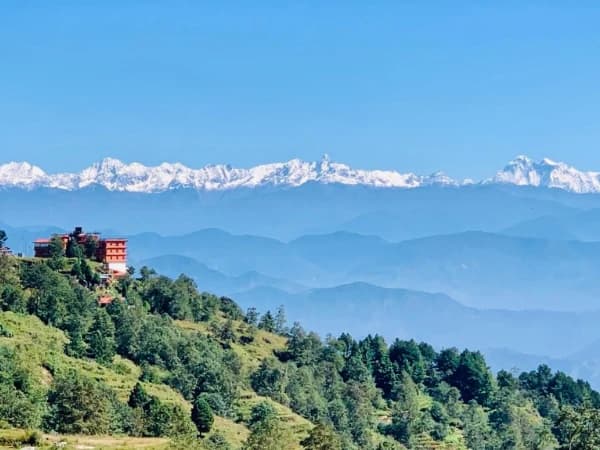
The most popular festivals in Nepal are Dashain, Tihar, Chhath, Indra Jatra, Janaipurnima, Lhosar, Buddha Purnima, Maghe Sankranti, and many others. Every festival has its own history and uniqueness. Cultural, enthusiastic travellers can explore the variety of rituals and processes of celebrating the festival in Nepal. From the Tarai region to the mountains and to the high Himalayas region, like the Sherpa community, there are diverse traditions to celebrate. Undoubtedly, Nepal offers wonderful travel experiences and immersion in the unique cultures during travel in the festive season. The most thrilling Himalayan landscapes, world heritage sites, ancient local cultures, and traditional villages will give you the best authentic experiences during travel in Nepal.
Festivals in Nepal Highlights
- Traveling to the beautiful traditional villages and immersing yourself in local cultures
- Understand the ancient and historic rituals and their Nepalese cultural significance
- Explore the unique rituals during the festival in Nepal, including shamanism
- Experience short hikes and mountain trekking in Nepal
- Most popular festivals, like Dashain, Tihar, Shivaratri, Indra Jatra, Chhath, and Loshar, will bring prosperity and happiness
- The festivals in Nepal will be gathering the relatives and friends, and they will welcome guests to their communities
- There will be performances of traditional music, dance, and other activities during the festivals
- Travelers will experience a variety of food with traditional local tastes
- Festivals like Buddha Purnima, Dashain, and Tihar will give you the ultimate peace and calm in your life
- The traditional attire and colorful surroundings will create beautiful vibes
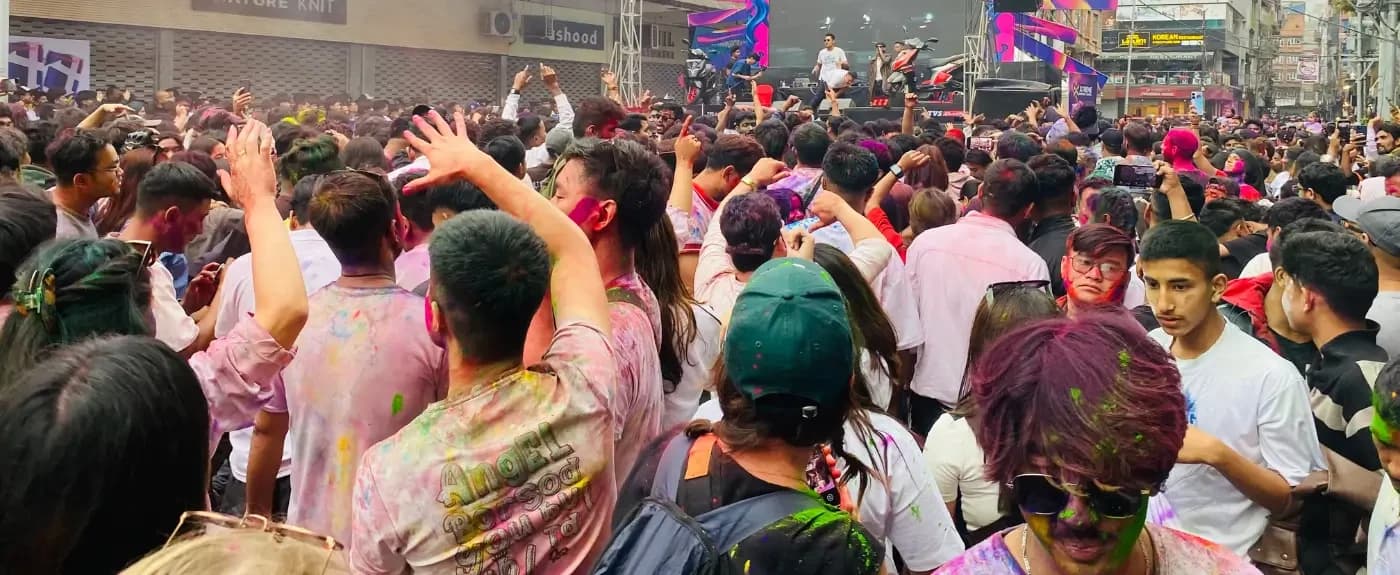
- The festival, like the Holi festival, allows you to participate in coloring and anointing each other and dancing with music
- Festivals in Nepal offer you ultimate peace, meditation, cultural immersion, and a chance to understand the traditional cultures
Overviews of Festivals in Nepal
Nepal is known as a pilgrimage, peace, penance, and sacred land around the world. Being rich in culture, history and traditions makes Nepal a sacred land, which is amazingly beautiful, and each region of Nepal gives you the paradise feels during the visit. Diverse local cultures and subcultures will offer the unique traditions and best cultural influences on the travellers. Nepal has its own calendar, which is 57 years ahead of the English calendar. Nepal has a lunisolar calendar called 'B.S.', which is 57 years older than the Gregorian calendar 'AD'. The festival begins by celebrating the happy Nepali New Year in Baishak first, and in the same month there will be Baishak Purnima, also called Buddha Purnima. There are Shrawan Srakranti, Janaipurnima, Gai Jatra, Indra Jatra, Haritalika Teej, Dashain, Tihar, Chhot, Loshar, Mage Srakanti, and many others.
Celebration the festival brings happiness, integration into the community, harmony, peace, and spiritual vibes. Nepal festivals give you the best cultural immersion; understand the rich cultural history and peace and understand the history of the ancient cultures. There will be a gathering of families, friends, and relatives during the festival in Nepal. The colourful surroundings, Jatras, meetings with people of different kinds, ancient activities, and cultural richness make your visit worth it during the festival in Nepal. The festivals like Dashain, Tihar, Chhath, Holi, Shivratri, and Indra Jatra are the most popular festivals in Nepal. Nepal offers a variety of diverse cultures and ethnicities and their unique local festivals. Moreover, travellers can explore the beautiful Himalayan surroundings and even the Terai region, where they can have jungle safaris, city tours and ancient UNESCO World Heritage tours.
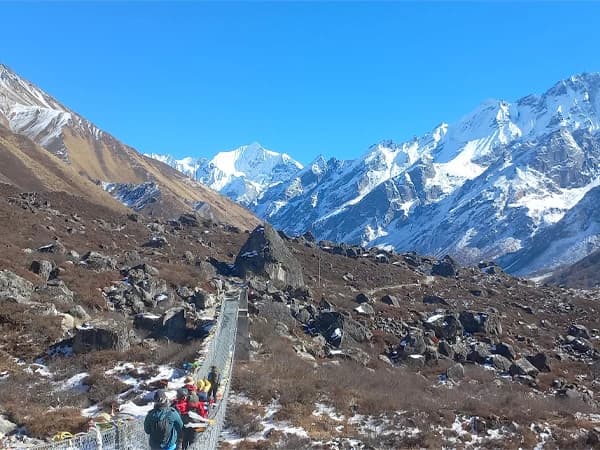
In the hillsides, travellers can participate in the local festivals in Nepal and experience mountain trekking, hiking and village tours. Hence, the festivals in Nepal offer you a variety of tour and travel experiences, village tours, trekking, cultural immersion, and exploring the authentic Himalayan surroundings along with beautiful nature.
10 Best Popular Festival in Nepal
- Dashain Festival
- Tihar Festival
- Chhath Festival
- Losar Festival
- Buddha Purnima Festival
- Mage Shakranti Festival
- Maha Shivaratri Festival
- Holi Festival
- Indra Jatra Festival
- Hari Talika Teej Festival
Dashain Festival in Nepal
Dashain is one of the most popular festivals in Nepal, the grandest and longest days of celebration. The Dashain festival is celebrated all over the country, even in the global Nepalese communities. The Dashain festival celebration is in the month of October, which is the Ashvin or Kartik month of the Nepalese calendar. There will be Ghatasthapana, which is planting the Jamara; Fulpati; and Maha Ashtami, which is the sacrifice of animals. There will be Tika put on the head by the elders, who will be giving the blessings. The family, relatives, and local people will gather to enjoy a variety of dishes, sweets, and meat and will participate in other activities. The Dashain festival will be spreading harmony, interconnection in the society, and love for each other. The Dashain festival brings beautiful moments, blessings, and interactions with people, relatives, friends, and others, which create social harmony and beautiful cultural immersion. Although it is a Hindu festival, Dashain is celebrated by other communities as well.
Tihar Festival in Nepal
The Tihar festival in Nepal is the second most popular celebratory festival in Nepal. After the Dashain festival, within a month, the Tihar festival will be celebrated. Tihar will be celebrated in the month of October or November, the Kartik or Manshir month of the Nepali calendar. The brothers and sisters will celebrate by putting on tika to their brothers and offering varieties of sweets, delicious food, fruits, and traditional dishes. Sisters will give sweets, varieties of dishes, and flowers and put the Tika on their brother’s head, and brothers will offer the sisters gifts, money, and great bonding. Sisters will pray and give blessings to their brothers for long life, prosperity, and success in life, and similar blessings will be given to the sisters by the brothers. In Tihar, you will have the traditional dish selroti, varieties of sweets, meat, and other items to eat.
In the autumn season, there will be blooming paddy, millets, and other crops, which make the surroundings golden brown, and it will be beautiful intermittently. In the background of the crop-cultivating season, celebrating the Tihar festival makes for joyful village moments. Moreover, there will be prayers to animals like cows, dogs, and crows, as the culture respects animals and their lives. Tihar is also known as the Festival of Lights, and it’s called Diwali. In the surroundings of the house and offices, they will be lighting and welcoming the goddess Laxmi, who is the goddess of money and wealth. Hence, the Tihar festival celebration in Nepal is beautiful to explore and participate in with the local villagers.
Chhath Festival in Nepal
The Chhath festival is one of the beautiful and significant sacred festival celebrations in Nepal and especially in the Terai region. The Chhath festival is dedicated to Surya, the god of the sun, and Chhathi Maiya, who is the goddess of nature. The Chhath festival is celebrated to express gratitude for the sustainable ecosystem and life on earth and to seek good health, prosperity, happiness, and well-being. The festival is celebrated in Madhesi, Tharu, and Maitheli communities, yet these days it’s recognized all over the country. The Chhath festival has an ancient background of thousands of years, which became a tradition and a festival. The major worship in the Chhath festival is of the sun and nature on earth; these are the major parts of the earth’s nature and environment. According to Hindu mythology, Chhath is the oldest surviving festival, which worships the sun and nature on earth. The Chhath festival is celebrated in the month of October or November; usually, it is in the month of Manshir in the Nepali calendar.
Losar Festival in Nepal
The Losar festival is one of the significant festivals in Nepal, a colourful cultural festival celebrated in Nepal among the ethnic communities. 'Losar' means simply a new year, which comes from the Tibetan language. Losar, or New Year, is a celebration according to the Tibetan lunar calendar. It is celebrated with great enthusiasm by the Himalayan Buddhist community, such as the Tamang, Sherpa, Gurung, and other communities. Losar brings the family and relatives together; the religious ceremonies, cultural performances and festive moments will provide beautiful vibes. There are different kinds of Losar, such as Tamu Losar, Sonam Losar and Gyalpo Losar. There will be lighting a butter lamp, performing prayers, burning incense, a sacred blessing, and performing the ancient rituals. Moreover, you will have a variety of food items and delicious sweets at the Losar festival in Nepal.
Buddha Purnima Festival
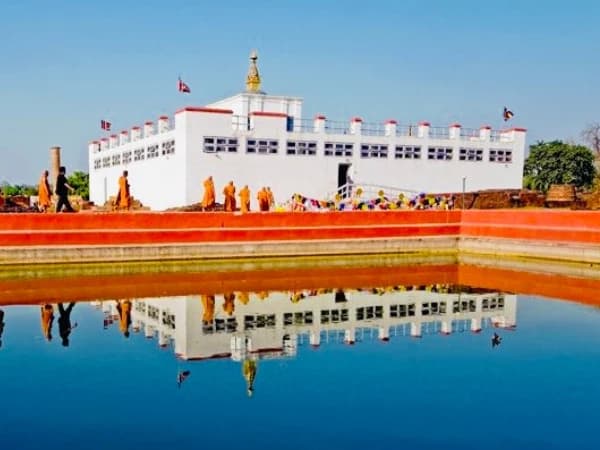
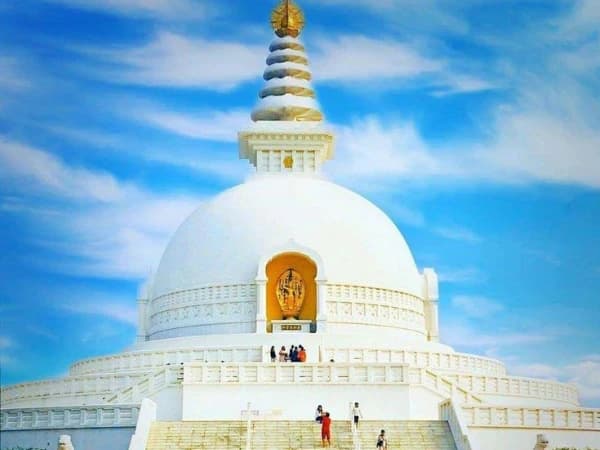
The popular festival Buddha Purnima is also known as Buddha Jayanti, or Baishak Purnima. The most sacred Buddhist festival, celebrated in Nepal and around the Buddhist community, will have beautiful vibes. The Buddha Purnima festival is a celebration that remembers the enlightenment and Mahaparinirvana of Lord Gautam Buddha. The birthplace of Gautam Buddha is Lumbini, Nepal, yet Buddha Purnima Lumbini, Nepal, is the birthplace of Gautam Buddha, and all the Nepalese Buddhist and Hindu communities celebrate Buddha Purnima. by all the Nepalese Buddhist and Hindu communities. Moreover, the Buddhist community around the world will be celebrating Buddha Purnima as a grand festival. Pilgrims will be visiting the Buddhist monasteries, stupas, and temples to have prayers. There will be butter lamping and the burning of various incense.
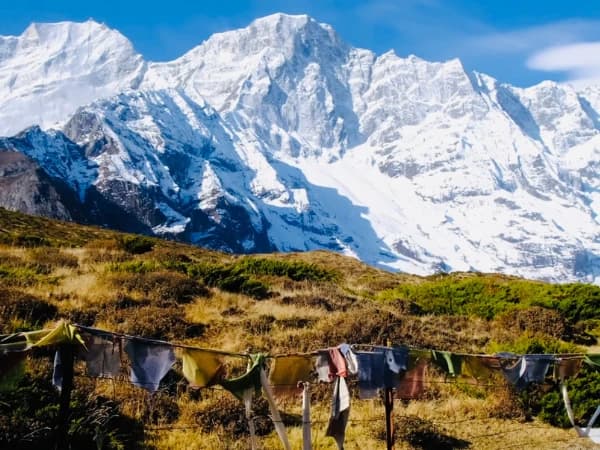
You will experience colourful prayer flags, monks will read sacred Buddhist scriptures, and we can participate in meditation and yoga sessions. Devotees will be offering food, fruits, and sweets during the Buddha Purnima festival. Devotees also participate in charity work, collect funds, and help needy people. Buddha Purnima is celebrated in the month of Baishak, which falls in April. Indeed, Buddha Purnima is celebrated in remembrance of Lord Gautam Buddha, and prayers are offered for world peace and harmony.
Maghe Sakranti Festival
The Maghe Sakranti festival is a celebration in the first month of Magh, which falls in January or February. Maghe Sakranti is a special festival of the Magar, Tharu, and Chaudhari communities in Nepal, yet the festival is celebrated all over the Nepali communities. During the Maghe festival, there will be preparing the Selroti, eating root vegetables and wild crops like yams, sweets, and varieties of meat items. In some regions, there will be bullfights on the mountainside. During the Maghe Sankranti festival, mostly the common people will make the payment of their loans and get back to those who lent the money. Simply, it is the economic exchange date with goods and cash. Travelers can experience the traditional attire, ancient dances like the Mage dance and Dhan dance, singing, and other cultural activities in Maghe Sankranti. Hence, Maghe Sankranti is a very significant festival of Nepal.
Maha Shivaratri Festival
The Maha Shivaratri festival is one of the most sacred festival celebrations in Nepal among the large Hindu community. A special celebration in the holiest Hindu temple, the Pashupatinath Temple. The Maha Shivaratri festival honours Lord Shiva, who is the god of transformation, meditation, and destruction of evil. In the Pashupatinath Temple, hundreds of thousands of devotees will visit during the Maha Shivaratri festival. The Maha Shivaratri festival occurs in the month of February or March, which, as per the Nepali calendar, falls in the Magh or Falgun month. The ancient beliefs are that Lord Shiva married Lord Parvati. Maha Shivaratri is also known as the night for Lord Shiva, when devotees will perform Shiva Tandav, light a wood campfire, smoke the Shiva Buti, and engage in spiritual awakening, meditation, and devotion to Lord Shiva.
Besides the Pashupatinath, there will be a campfire overnight, performing Shiva Tandav and meditations. In Shivaratri, devotees will be offering to the Shiva Linga things like milk, honey, and bhel leaves and lighting the butter lamp. Indeed, Shivaratri is also popular for prayers of the Shiva Linga, which is the representation of the penis, and it is the symbol of reproduction and good fertility. Most commonly, Hindu women will perform prayers of the Shiva Linga during Shivaratri at the Pashupatinath temple. Hence, the Maha Shivaratri festival is one of the most sacred festivals in Nepal.
Holi Festival in Nepal
The Holi festival is known as the colourful festival in Nepal, where thousands of people gather and play with a variety of colours. They apply the colours to their friends and relatives and perform music and dance. The Holi festival has mythological origins; there is a story about King Hiranyakashipu, who had one son, Prahlad, and one daughter, Holika. Prahlad was faithful to the god Vishnu despite his father's opposition. Holika was not devoted to Lord Vishnu. Holika attempted to burn Prahlad in a fire, but she destroyed herself, while Prahlad survived through the divine power of Lord Vishnu.
Hence, the story symbolises the victory of righteousness over evil. That's why the holy festival started to be celebrated. The Holi festival in Nepal is celebrated for 2 days: one in the mountains and the other in the Tarai region. The festival falls in Falgun or Chaitra, which is about March. Travellers will experience throwing colourful powders or water at friends and family and dancing with music. You will have a chance to explore the ancient traditions and immerse yourself in beautiful local culture during the Holi festival. During the Holi festival, there will be delicious food like sweets, Sell roti, and other traditional dishes.
Indra Jatra Festival
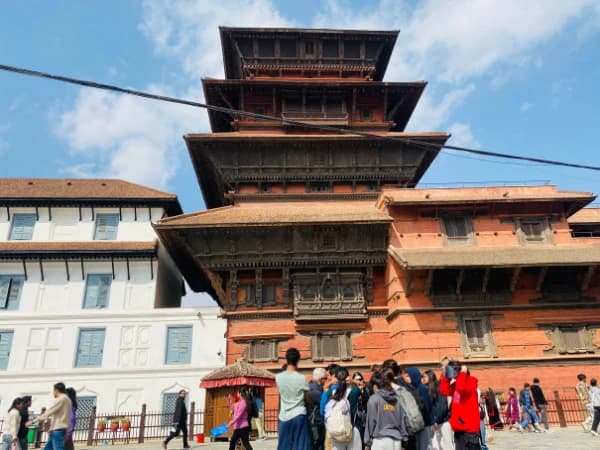
The Indra Jatra festival is one of the most beautiful in Nepal and a grand event in the Newari community. Especially, the Indra Jatra festival is a celebration in Kathmandu's Hanuman Dhoka Durbar Square. The Indra Jatra is also known as Yenya in local Newari culture. This eight-day Indra Jatra festival honors Lord Indra. Indeed, Lord Indra is known as the goddess of rain and heaven. The Indra Jatra festival is celebrated in both Hindu and Newari communities. End of the monsoon season and beginning of the autumn season, celebrating the Indra Jatra festival. It is also the beginning of other Nepalese festivals, and God Indra will stop the rain, and the crops will have fruits at this time. During Indra Jatra, the Yosin, or Longa, which is the long wooden pole, will be raised. There will be the traditional Lakhe dance, the Pulukishi dance, and the display of the Aakash Bhairav.
Moreover, during the Indra Jatra festival, you can experience traditional dance, music, and the chariot rally of the living god Kumari. Indeed, the Indra Jatra is the most iconic festival of Nepal, blending mythology, religion, cultures, dance, and music. The living traditions are into the unforgettable celebration. Hence, Indra Jatra offers the beautiful local cultures, immersing with local tradition and participating with local dance and music.
Hari Talika Teej Festival
The Haritalika Teej festival is a beautiful Hindu festival celebrated by Hindu women. The festival occurs in August or September. According to Hindu mythology, Goddess Parvati wished to marry Lord Shiva in ancient times. However, her father, King Himavan, planned to marry her to the goddess Vishnu. Thus, to help Goddess Parvati, her friends secretly took her into the jungle, where she performed intense penance and fasting to win Shiva’s acceptance. So, her devotion towards Lord Shiva and his acceptance of her as his wife. That’s why the Teej festival starts to celebrate 3 days of fasting and wearing red attire, like a sari, and praying to Lord Shiva. These days, unmarried women wish to get husbands like Lord Shiva, and married women wish to have long lives for their husbands. Indeed, the Haritalika Teej festival is one of the sacred Hindu festivals related to women and men. There will be performances of traditional music and dance, grand parties, and traditional dishes during the Teej festival in Nepal.
Conclusion of Festivals in Nepal
Nepal is a diverse cultural and historical country in South Asia, where the majority of people who live there are Hindu. However, you can find Buddhist cultures and Islamic, Christian, and other religious people in Nepal. Nepal is also known as the city of temples and the peace land of the world and is also known as the light of Asia. Gautam Buddha belonged to Lumbini, Nepal, and he spread wisdom, harmony, peace, and knowledge to the world. Thus, Nepal has multiple identities. Here, in Nepal, we celebrate lots of festivals, Jatras, and traditional rituals with great historical heritage and beautiful compassion. The major festivals include Dashain, Tihar, Maghe Sankranti, Buddha Purnima, Janai Purnima festival, Chhath, Losar, and other beautiful festivals. There are lots of festival celebrations in Nepal; there are hundreds of them. Some festivals are much more popular, and some are less popular.
The festivals in Nepal offer travelers unique cultures, traditions, history, and an understanding of ancient social structures. Moreover, festivals in Nepal provide peaceful moments, meetings with different kinds of people, spirituality, and help to understand the ancient history of the society. Hence, a festival in Nepal is beautiful to have an experience with for enthusiastic travelers.
FAQs of Festival in Nepal
How many festivals are there in Nepal?
Nepal has lots of traditions and festivals celebrated by the different communities and ethnicities. There are 7 provinces and 77 districts, and each region has its unique culture as well as common cultures. Hence, Nepal has approximately 100 festivals, which include about 10 to 15 major festivals. About 10 to 15 are major festivals and Jatras, including Dashain, Tihar, Losar, Chhoth, Indra Jatra, Maghe Sakranti, and others.
What is a popular festival celebrated in Nepal?
The most common and popular festival is Dashain in Nepal, which is commonly celebrated among the different communities. Moreover, there are Tihar, Teej, Sri Panchami, Chhath, Losar, Baishak Purnima, Nepali New Year, Holi festival, and others.
What are the famous Festivals in Nepal?
Bada Dashain, Tihar/Dipawoli, Maghe Sakranti, Losar, Chhath, Holi, Buddha Purnima, Indra Jatra, Bhoto Jatra, and Haritalika Teej are the most common and famous festivals in Nepal. Furthermore, there are the Tiji festival, Shree Panchami, Krishna Janma Ashtami, Mosto, Sakela, Udhauli, Uvauli, Shiva Ratri and other beautiful cultural and historical festivals in Nepal.
What are the Popular Hindu Festivals in Nepal?
The popular Hindu festivals in Nepal are Dashain, Tihar, Holi, Indra Jatra, Shiva Ratri, Maghe Sakranti, Chhoth, Baishak Purnima, Janai Purnima, and others. Indeed, there are lots of Hindu festivals, rituals, and cultures celebrated in Nepal.
What are the Nepal Festivals in October?
In the month of October, it will be the grandest festival called Bada Dashain, which is celebrated among the Hindu community and all over Nepal. Furthermore, the Dashain festival is a celebration in other communities, and the Hindu Nepalese community celebrates it all over the world. In the month of October, there will be Dashain, and sometimes it also occurs with the Tihar festival.
When celebrating the Holi Festivals in Nepal?
The Holi festival celebration in Nepal is in the month of March or April, depending on the Nepalese calendar. The Holi festival will be a 2-day celebration: the first day in the mountain region and the second day in the Tarai region. As per the Nepali calendar, the Holi festival will be in the month of Falgun.
What are the best Festivals in Nepal which represents the cultural festivals in Nepal?
The best festivals in Nepal, which represent the cultural festivals in Nepal, are mostly ancient festivals that carry cultural significance. The festivals like Dashain, Tihar, Buddha Purnima, Indra Jatra, Ghode Jatra, Losar, and many other festivals in Nepal represent the best cultural immersion.
Which is the biggest festival in Nepal?
The biggest festival in Nepal is Bada Dashain, which most of the communities will be celebrating. The best festivals in Nepal, like Dashain, Tihar, Chhath, and Buddha Purnima, are much more popular. The festival seasons in Nepal are like the autumn and spring seasons. Indeed, Nepal celebrates a variety of cultural festivals so that all seasons can experience the festivals in Nepal. The biggest festival in Nepal is Bada Dashain.
What is the Major Festival in Nepal?
The list of festivals in Nepal is large, numbering in the hundreds, yet the major festivals in Nepal are Dashain, Tihar, Chhath, Losar, Buddha Purnima, etc. Indeed, the most popular festival in Nepal is Bada Dashain.
What are the top 10 festivals in Nepal?
- Dashain festival
- Tihar Festival
- Buddha Purnima festival
- Hari Talika Teej Festival
- Makar Sankranti festival
- Chhoth festival
- Losar Festival
- Indra Jatra festival
- Gai Jatra Festival
- Janai Purnima Festival